Why We Live Here · La Habra Heights
Why you chose the hills.
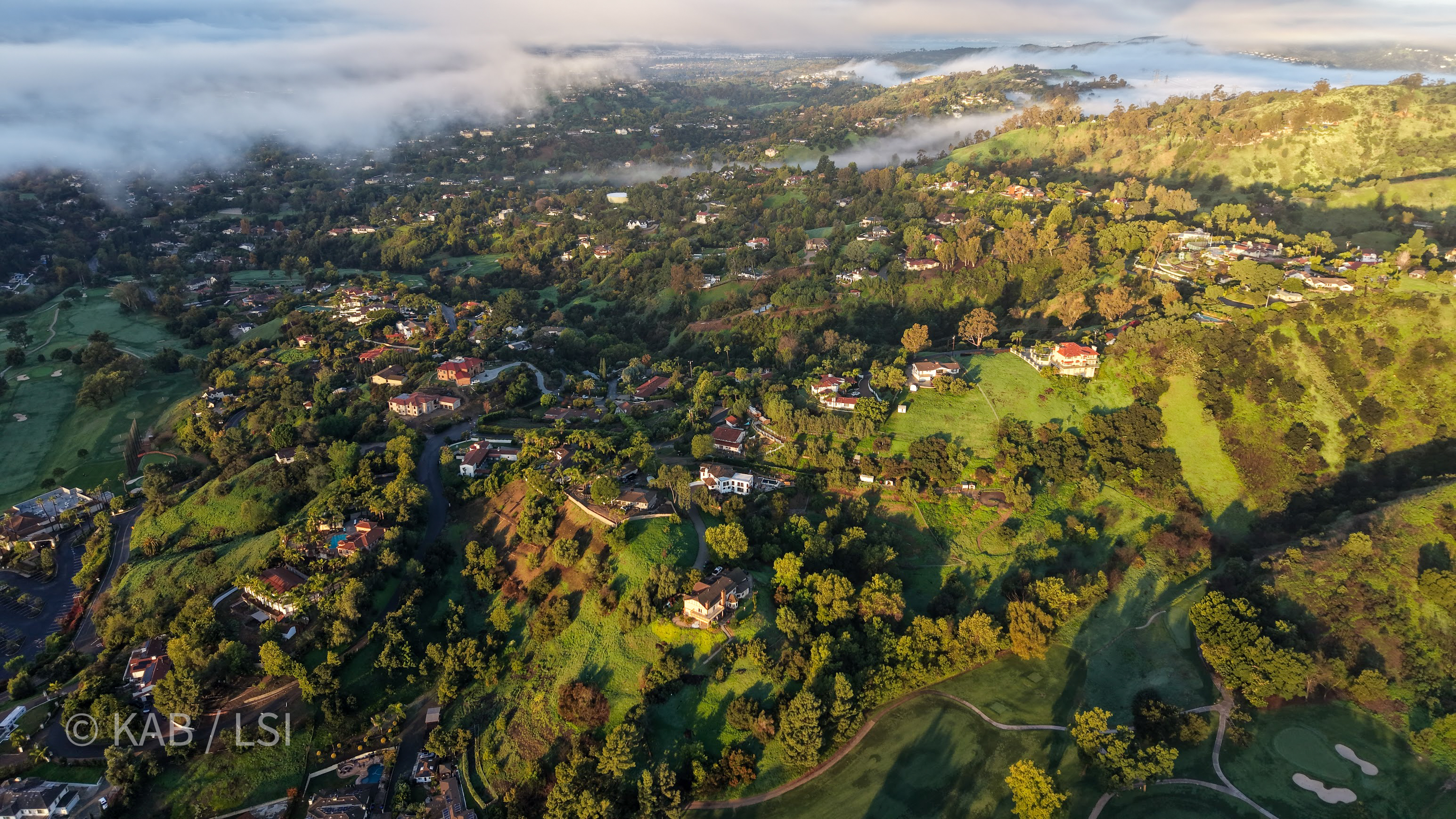
Three days of rain. One morning of fog. Maybe you ended up here by accident. Most people in the Heights will tell you they did. You passed on the flat lot, the subdivision, the HOA. You drove up a winding road, looked out at a view that stopped you mid-sentence, and made a decision most people never make.
Things you may not know
A few quiet facts about this place.
Local color, local history, local engineering oddities.
Bigger than Switzerland
Los Angeles County is home to roughly 9.6 million people and a regional economy estimated north of $900 billion. By GDP, that puts the county ahead of Switzerland, Saudi Arabia, and most of the world’s nation-states. If LA County were a country, it would sit comfortably in the global top twenty.
La Habra Heights sits tucked into the eastern edge of that economic giant, on a 6.2-square-mile hillside above Whittier, live more than a thousand physicians, attorneys, and CPAs. Hundreds of realtors call the Heights home — the people who know real estate eventually land here for their own headquarters. Founders of one of Southern California’s largest Latino supermarket chains. Industrial entrepreneurs. Defense-industry retirees — Northrop Grumman and Lockheed Martin alumni who sold their stock and came up the hill to start something else. Hollywood producers, directors, and studio executives. Authors, artists, working musicians, and the occasional famous singer. Olympic athletes. Equestrians who keep their own horses on their own land. Gardeners and naturalists who measure their property in oak trees rather than square footage. Empty nesters who raised their kids in the suburbs below, parlayed equity through two or three homes, and finally moved up the hill.
Nobody arrives here by accident. People want to be here. La Habra Heights doesn’t market itself. It doesn’t need to.
Life up here
This is what you actually bought.
Not a house. A way of living that most of the Los Angeles basin traded away decades ago for convenience. Up here, it still exists.
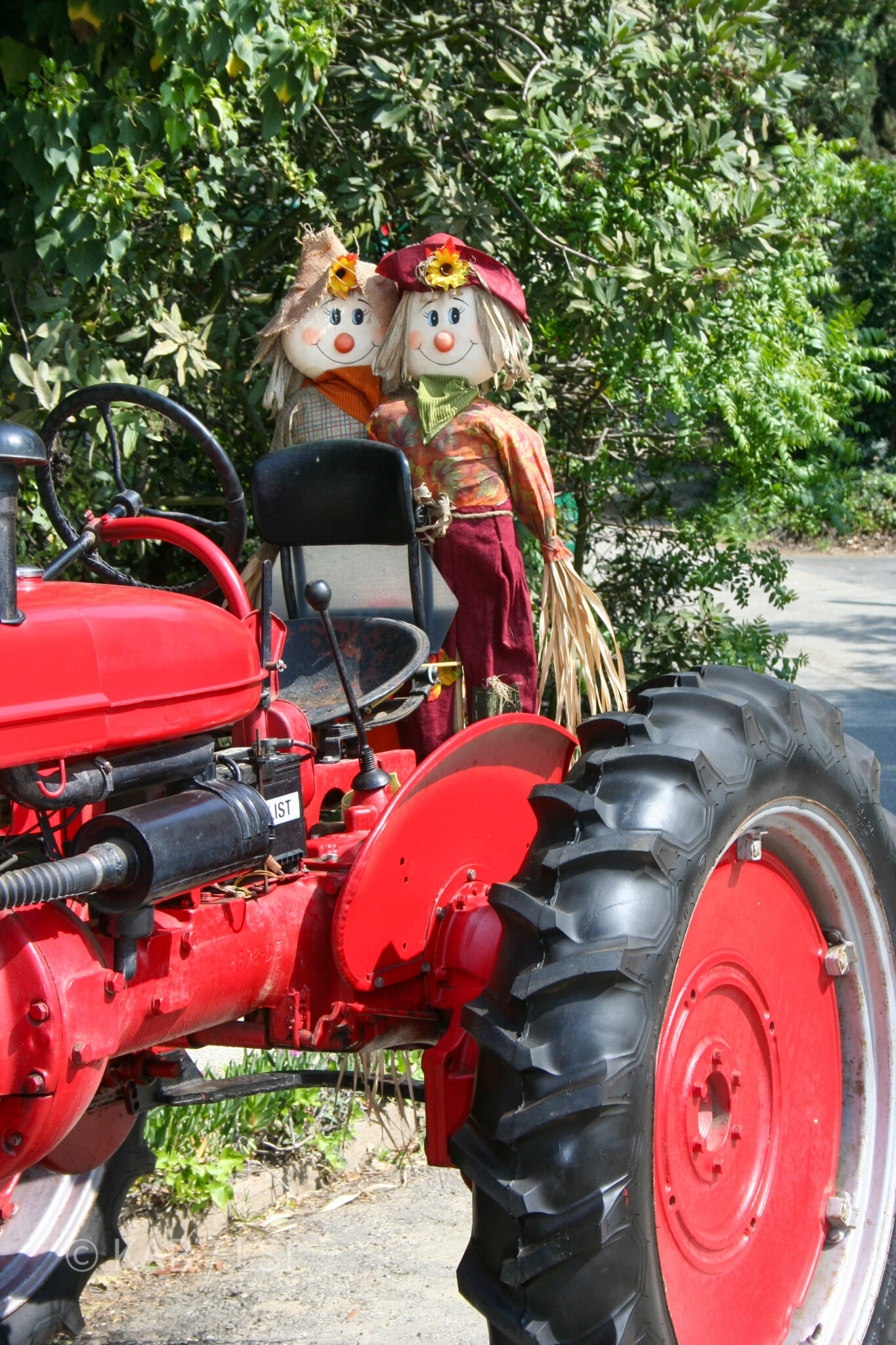
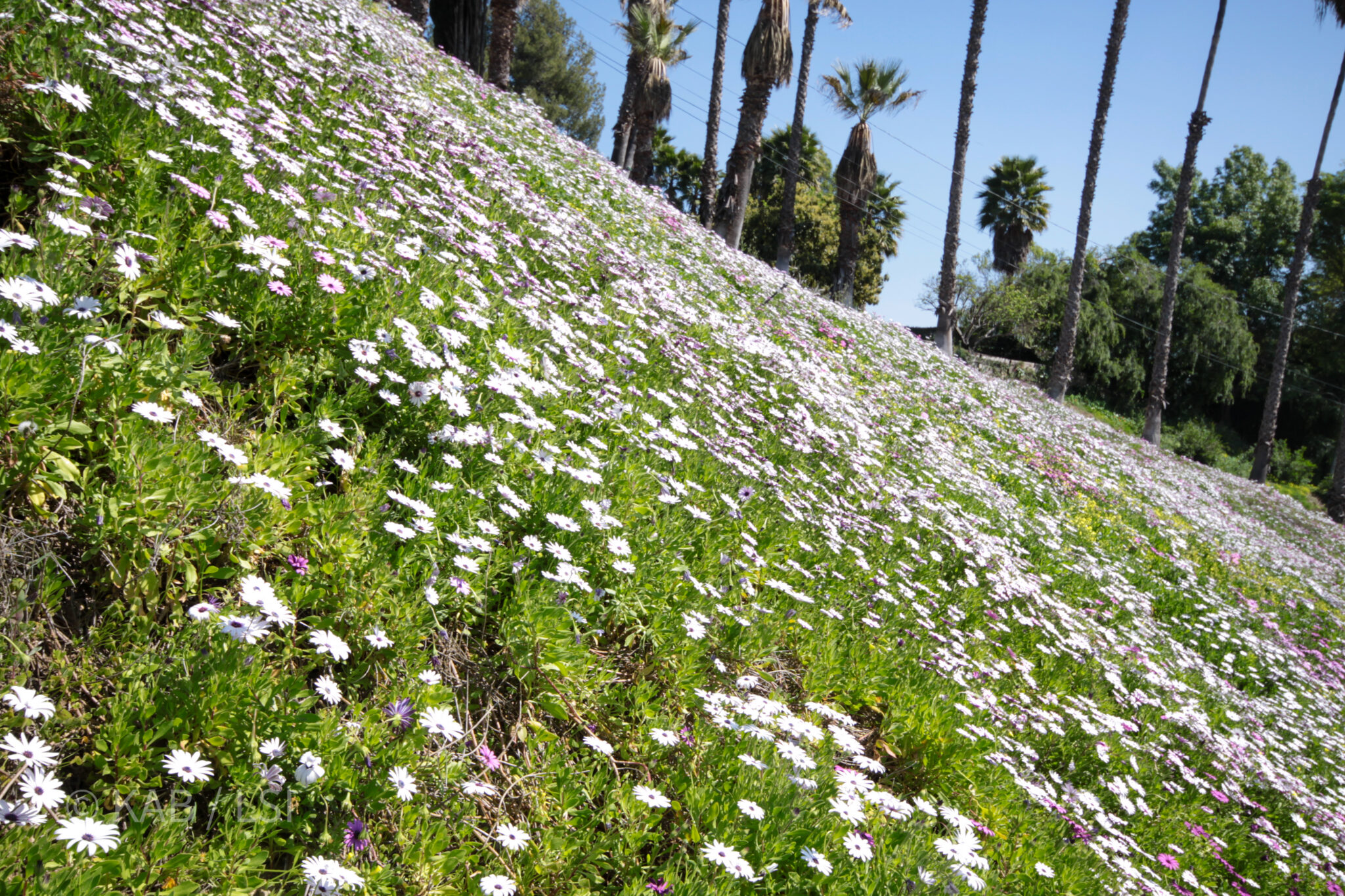

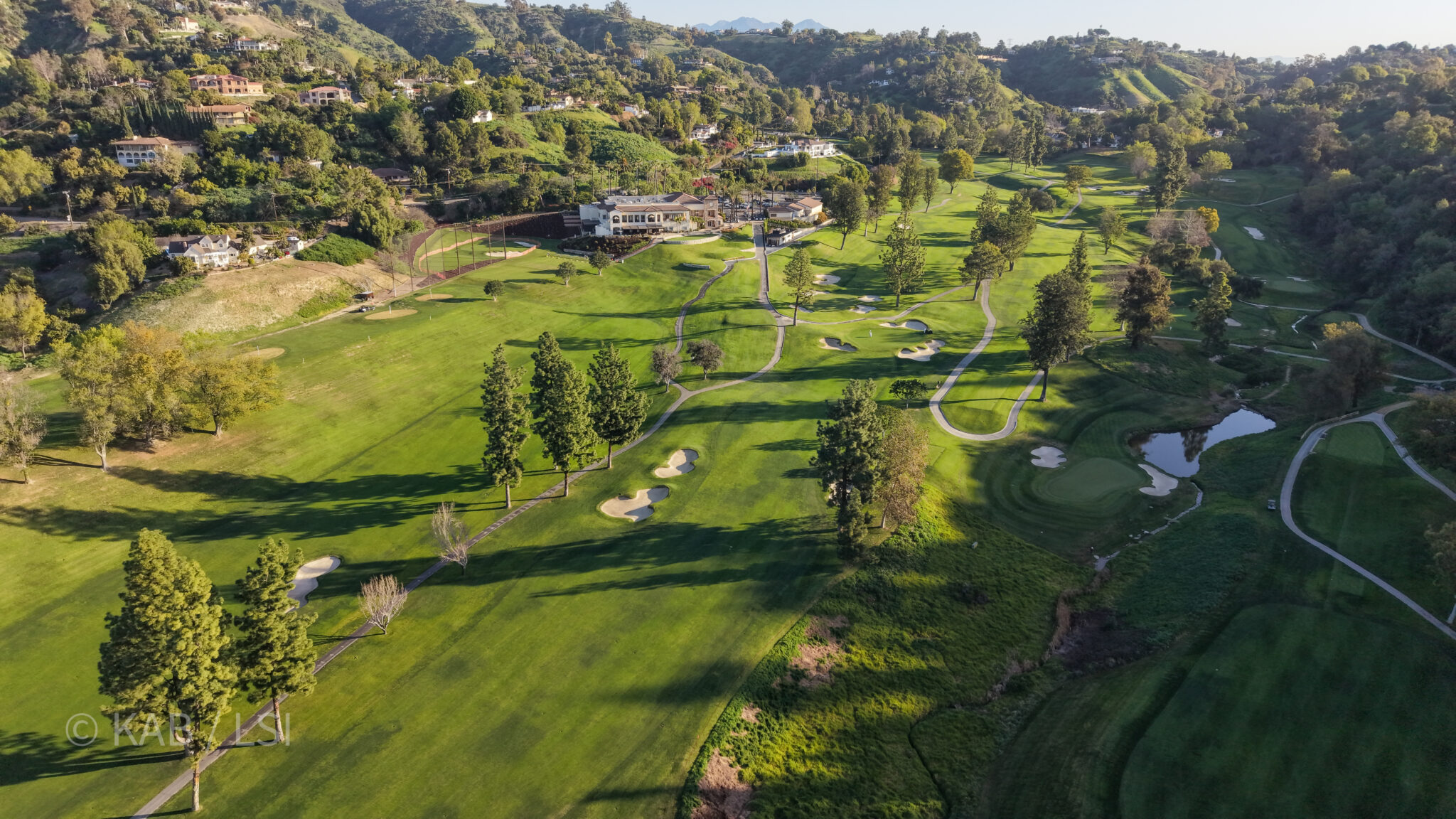

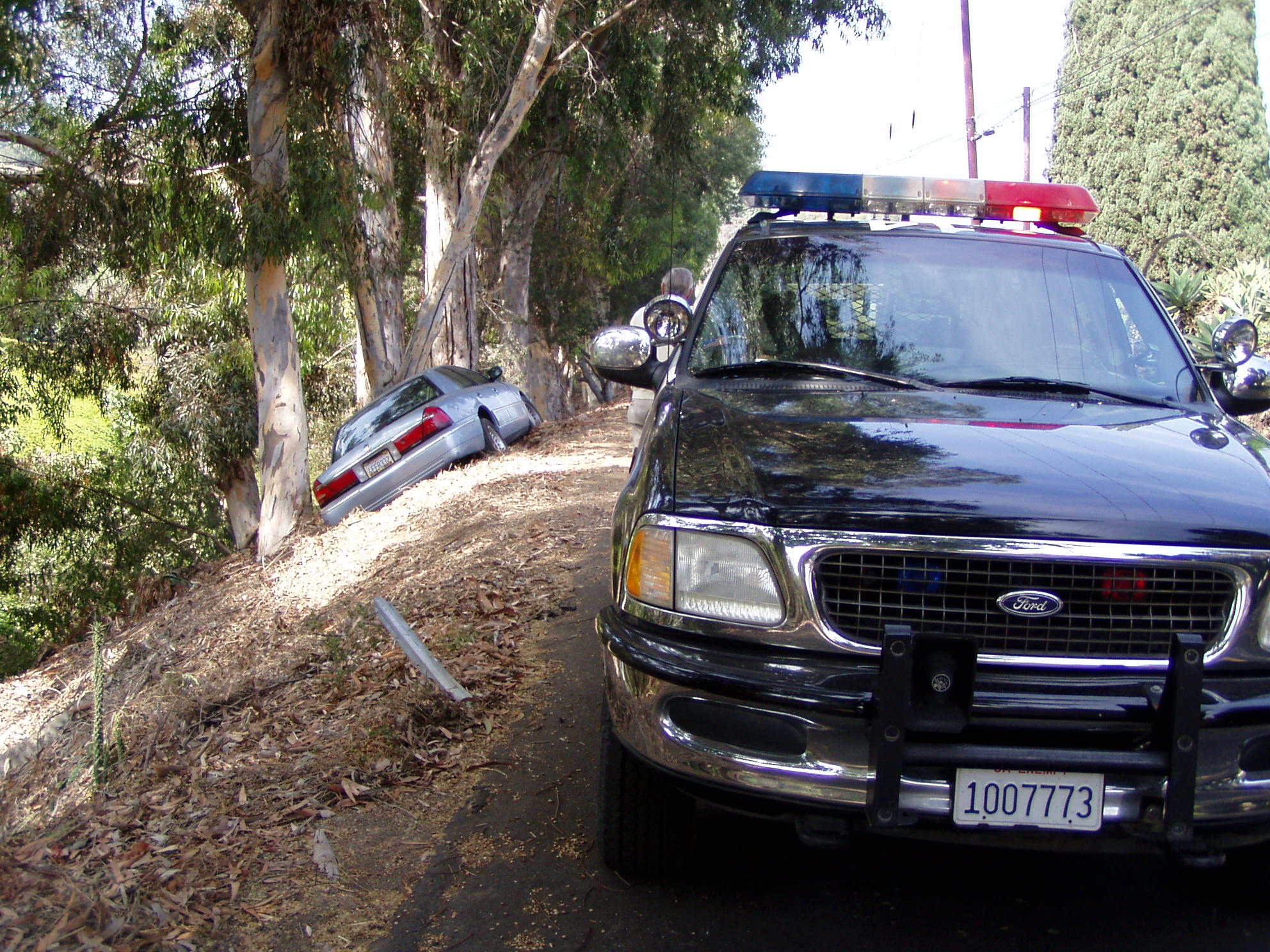
Photos · Keith Bennett · Private Spaces · La Habra Heights, CA · © KAB / LSI
Context
A lumpy hill in the middle of everything.
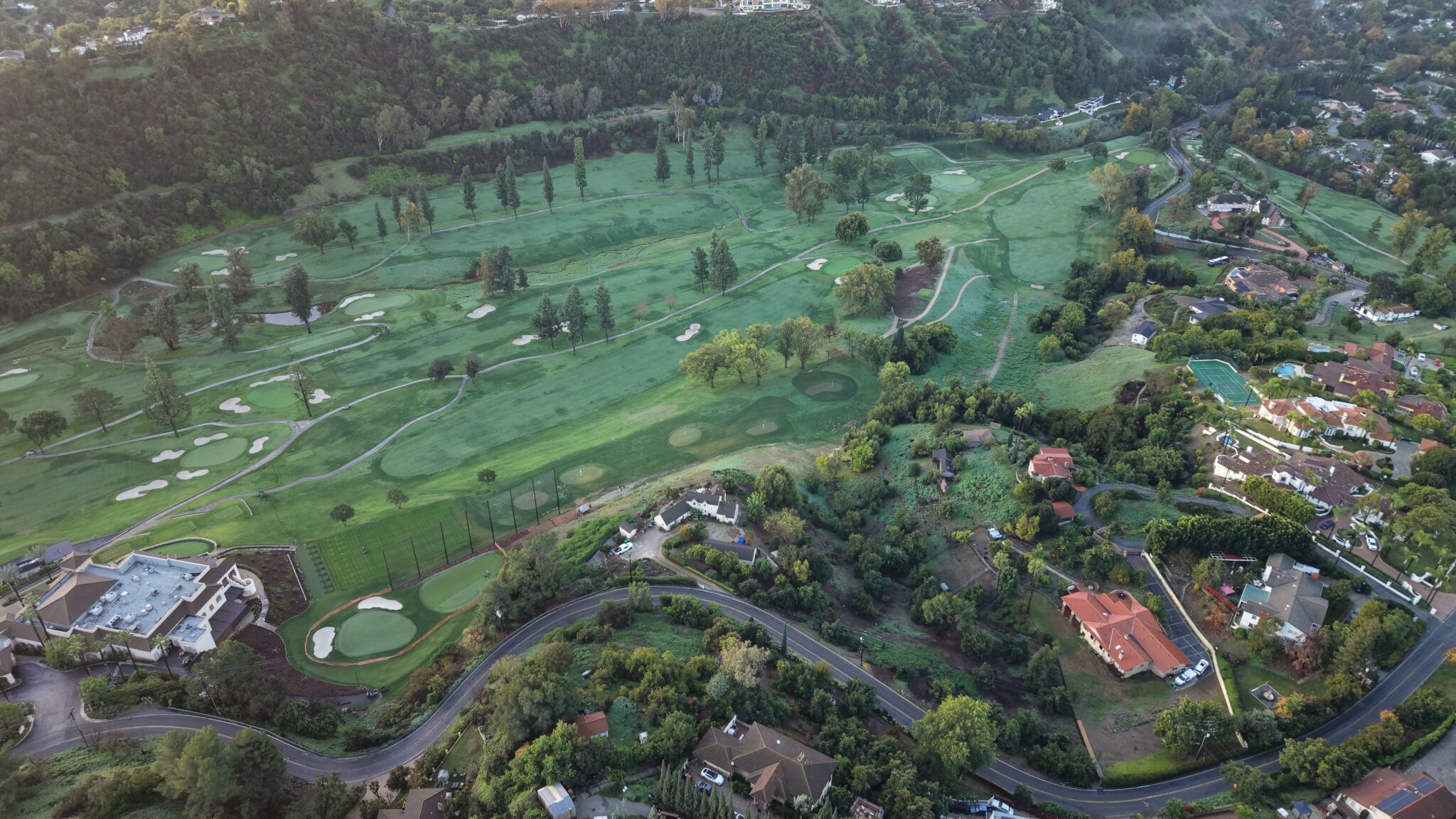
Pull up a terrain map of greater Los Angeles. Find the flat grid that runs from the mountains to the ocean — millions of houses in rows, millions of cars on freeways. Then look for the green bump where the roads suddenly go crooked.
That’s La Habra Heights. A Puente Hills enclave on the border of Los Angeles and Orange Counties, 25 miles southeast of downtown LA — close enough to everything, different enough to matter. The surrounding flatlands stretch in every direction: Downey, Whittier, La Habra, Fullerton, Anaheim. On a clear day you can see from the mountains to the ocean. Neither one is far.
Harbor Boulevard climbs over the hill. Beach Boulevard turns into Hacienda Road and winds through the Heights on its way to the San Gabriel Mountains. Highway 39 goes from Surf City all the way to where the snow falls. La Habra Heights is the oasis in the middle of that journey.
Land
6.2 sq miles. One-acre minimum lots. No apartments or condos.
Incorporated
December 4, 1978 — to stay exactly as they were.
Safety
Among the lowest crime rates in all of Los Angeles County.
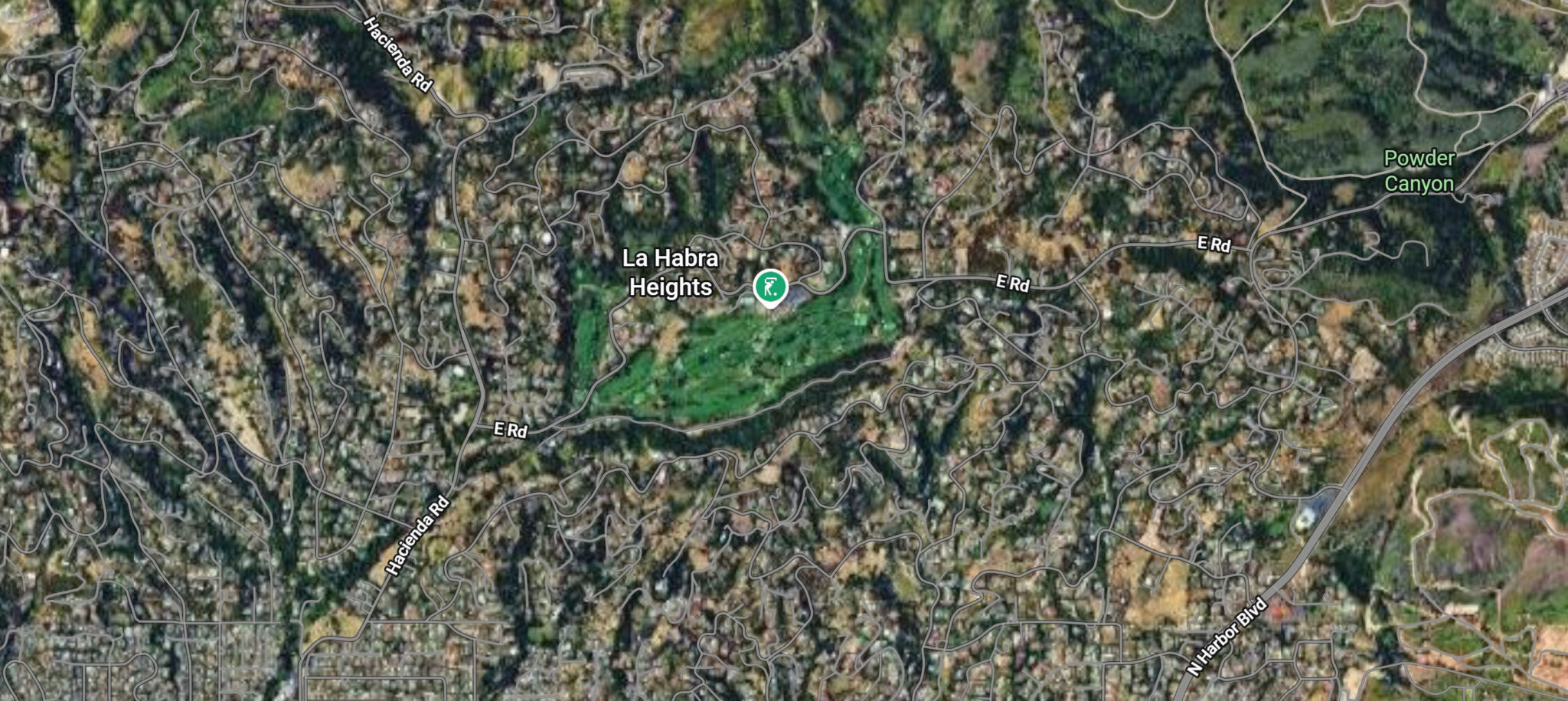
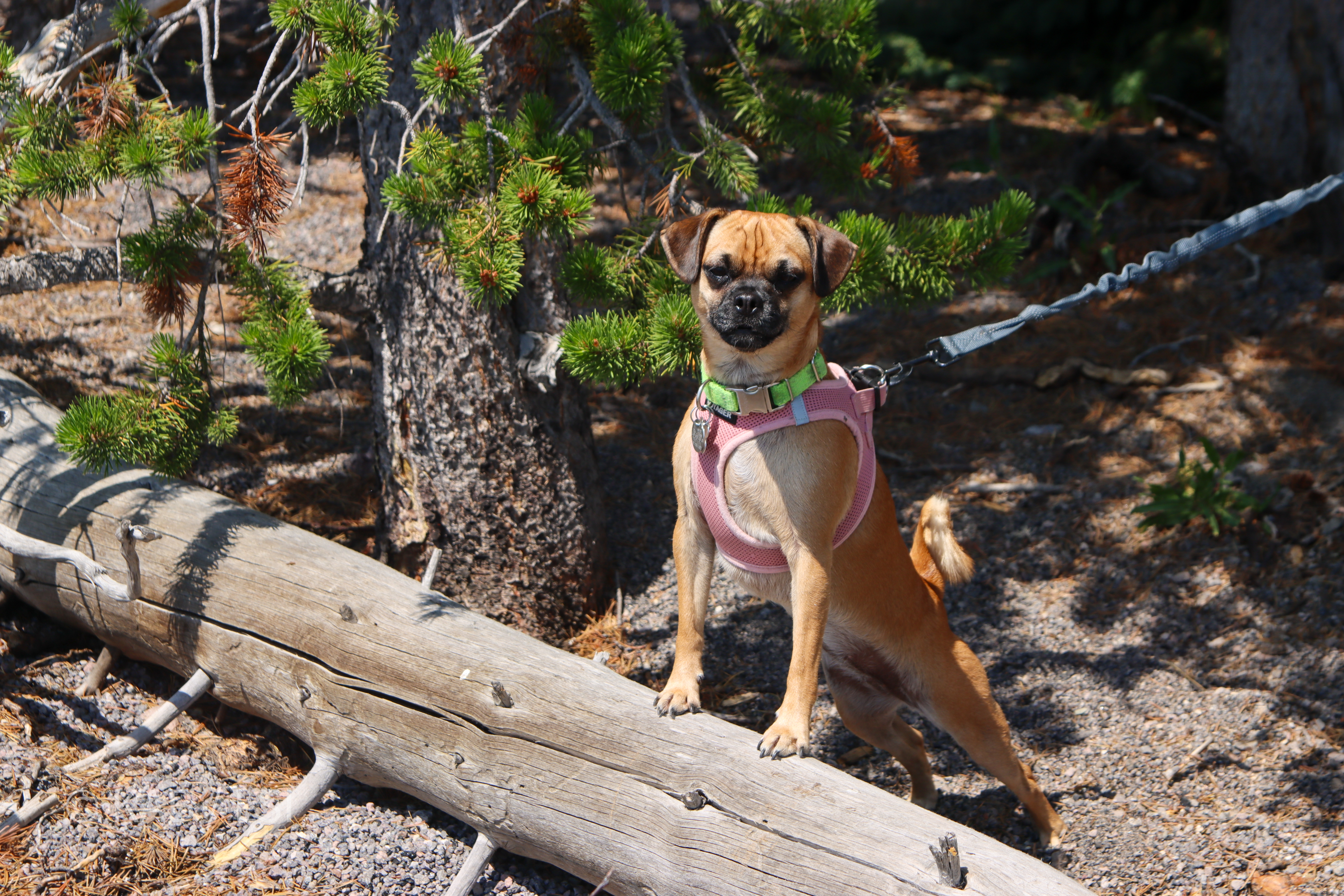
On a clear day after a storm —
From a hilltop in La Habra Heights, you can see Santa Catalina Island rising from the Pacific, 26 miles off the coast of Long Beach. To the north and east, Big Bear Lake and snow-capped peaks above San Bernardino. South to Newport Beach and Mission Viejo. West across the entire Los Angeles basin to Santa Monica and the sea. Three hundred sixty degrees of Southern California — from a small green hill quietly holding its own in the middle of all of it.
La Habra Heights sits in the middle of 16 million people — and feels like none of them live here. That’s not an accident. That’s a decision this community made in 1978 and has defended ever since.
They find it on a bike. On a wrong turn. On a detour when the freeway backed up. And then they never forget it.
“If you grew up in the flatlands below and you had a bicycle, you already knew about the hills. You’d ride toward anything that wasn’t straight.”— Keith Bennett · 45 years on hillside properties · La Habra Heights
Harbor Boulevard goes over the hill. Hacienda Road winds through it. Beach Boulevard becomes Highway 39 and climbs to the San Gabriel Mountains — snow to surf, one road. People get rerouted through on detours, app-guided shortcuts, high school drives when they first had a license and nowhere specific to go. They slow down. They look around. They start thinking about what it would cost to live here.
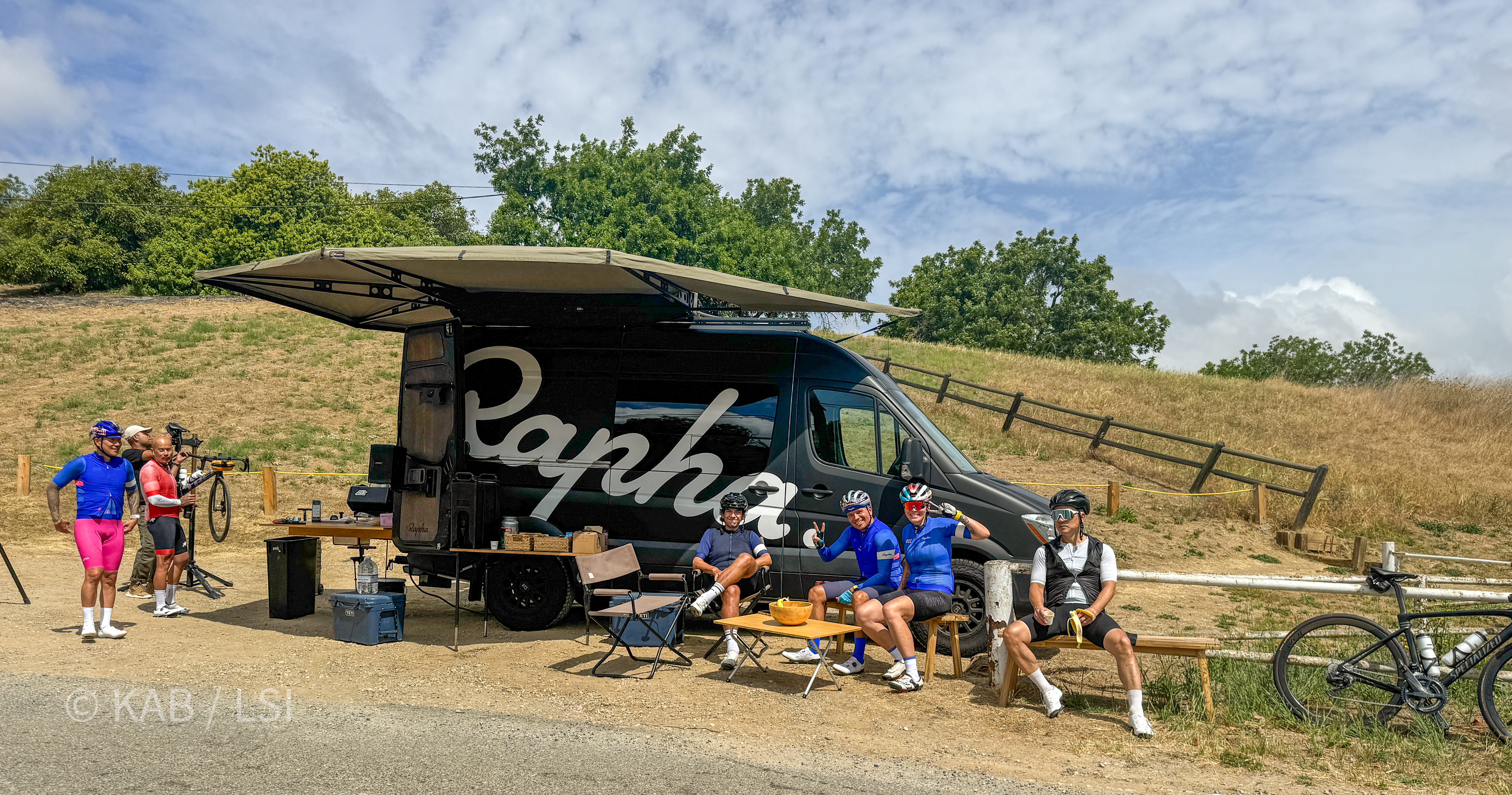
Serious cyclists have mapped these roads for decades — no parked cars, no curbs, no streetlights, and enough elevation to test whether you mean it. Equestrians know the trails. People who want horses, chickens, or just a yard big enough that their dogs don’t know the fence exists — they find this place eventually, one way or another.
Legacy
The Hacienda Golf Club has been here since before most of the houses.
Alphonso Bell persuaded businessmen from Whittier, Anaheim, and Fullerton to fund a club that started with nine holes and a barn for a clubhouse. Today it’s an 18-hole course carved into the chaparral with a Spanish-style clubhouse and views that most courses charge extra to call a feature.
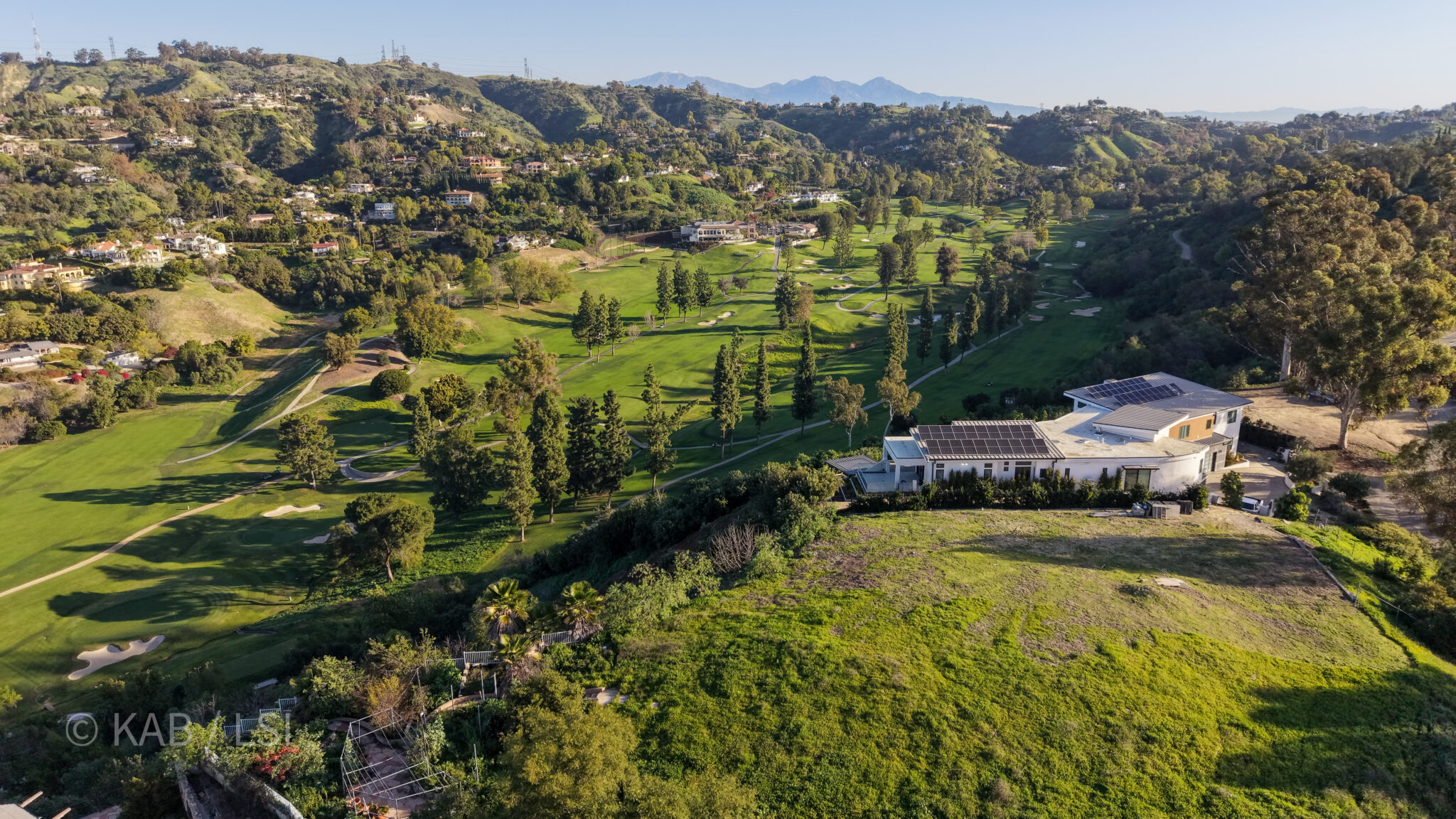
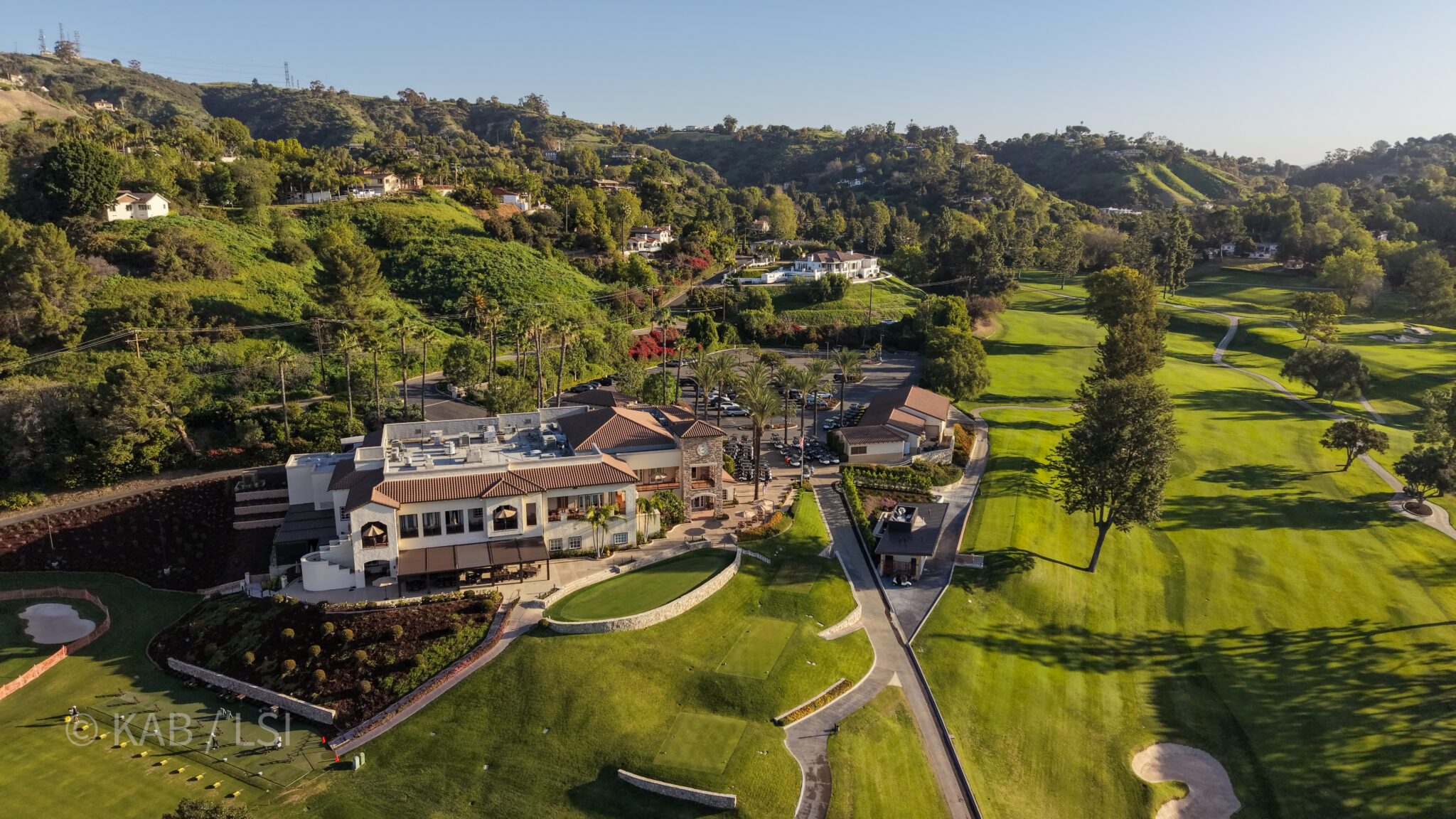
Hacienda Golf Club · One of the oldest courses in Southern California · © KAB / LSI
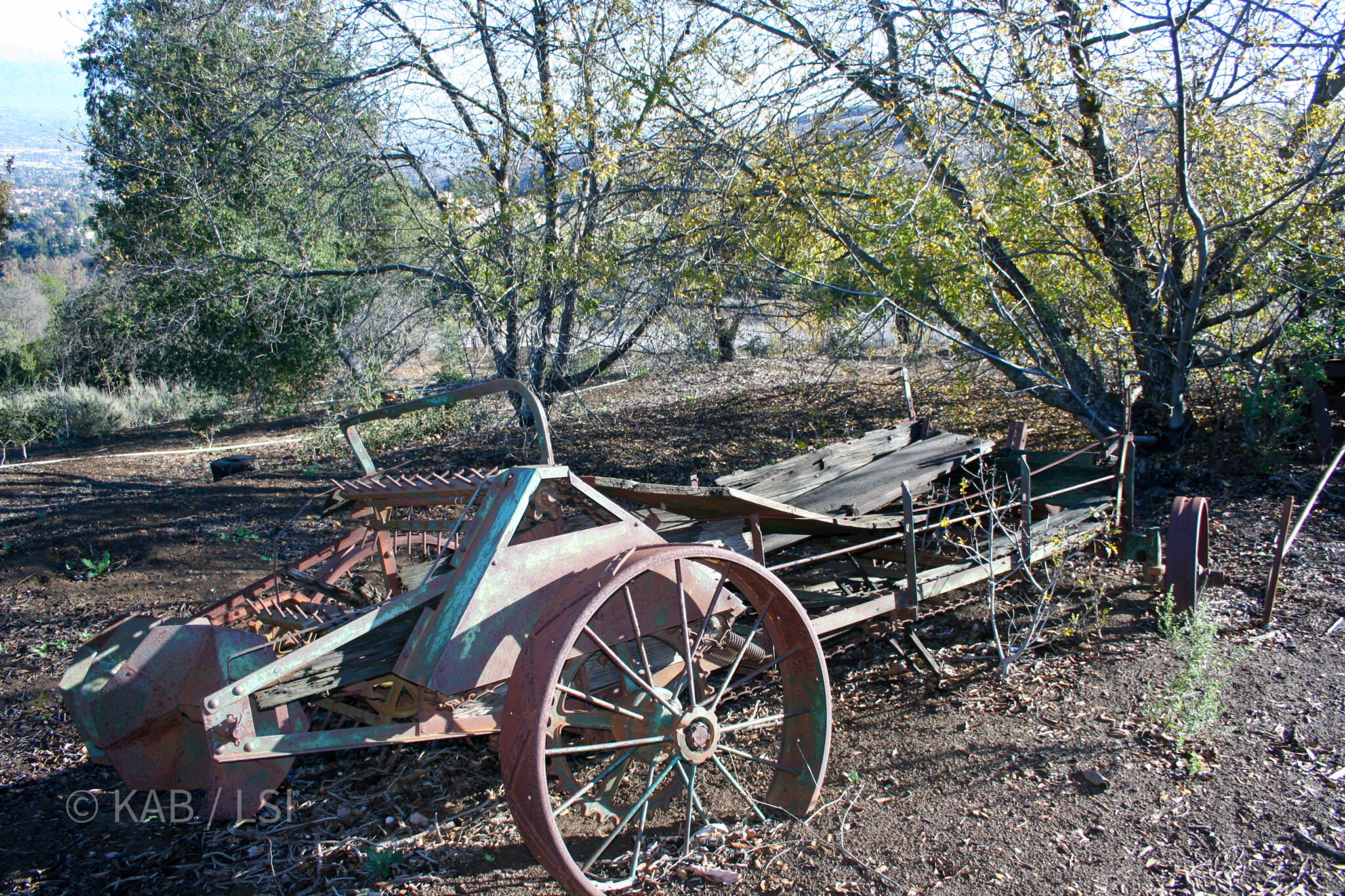
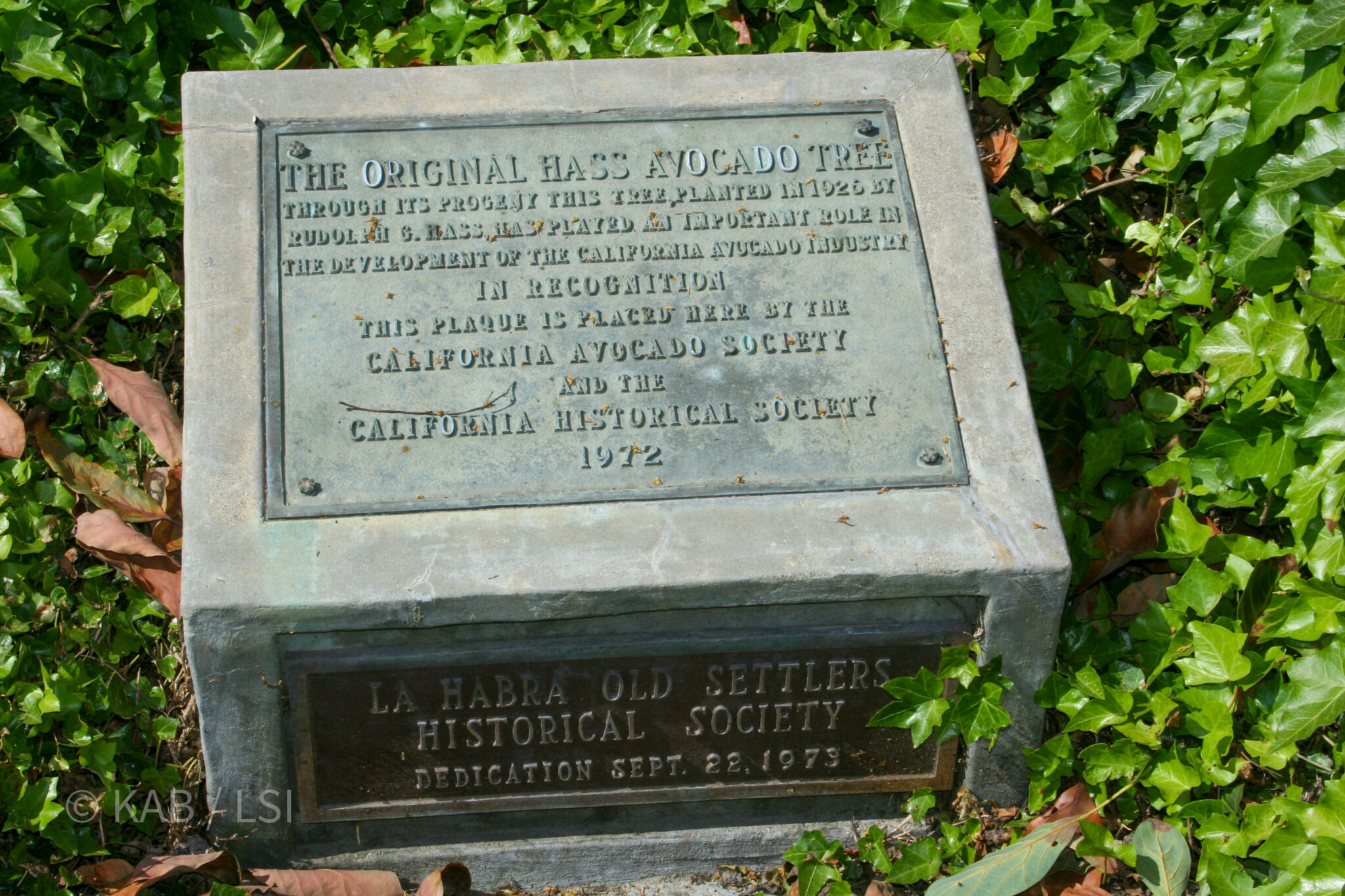
The original mother Hass avocado tree — the genetic source of virtually every Hass avocado in the world today — grew in La Habra Heights until 2002. Planted in 1926 by Rudolph Hass, it stood 76 years before root rot took it. Two plaques still mark the spot at 426 West Road. The wood was preserved and made into keepsakes. The legacy stayed.
The residents
People don’t stumble into La Habra Heights.
They arrive with equity from somewhere else, a reason they need space, and the sense that they’ve earned something different.
I.
The Equity Mover
You raised your kids in a starter house in the flatlands, built equity over two decades, and watched these hills from below. Now you’re transferring that equity upward — into something with land, with views, with a property that has actual character.
II.
The Medical Professional
You trained at UCLA or USC, got assigned to Kaiser in Anaheim or PIH in Whittier, and suddenly needed a home in Northern Orange County or the San Gabriel Valley. Someone told you about La Habra Heights. You drove up. You understood immediately.
III.
The Business Owner
You built something significant. You don’t need Beverly Hills to live like you’ve arrived. Three doors from one longtime resident, the owner of one of the largest beer distributorships in Southern California has five acres. It’s not the address. It’s the life.
IV.
The Animal Person
You want horses. Or chickens. Or a yard big enough that your dogs don’t know the fence exists. One-acre minimum lots. Equestrian trails. Agricultural zoning. The roosters are legal. The goats are legal. This is one of the last places near LA where that’s still true.
V.
The Long-Timer
You’ve been here 30 years. You knew the previous mayor. You went to the Avocado Festival. You’ve watched the fog roll into the valleys below every winter morning and still stop to look. You’re not going anywhere — and you understand exactly why.
VI.
The Aspirer
You’re not here yet. You ride your bike through on weekends. You took a wrong turn once and ended up on a ridge with a view of the whole basin. You’ve been thinking about it ever since. The Heights has always been where people aspire to — not stumble into.
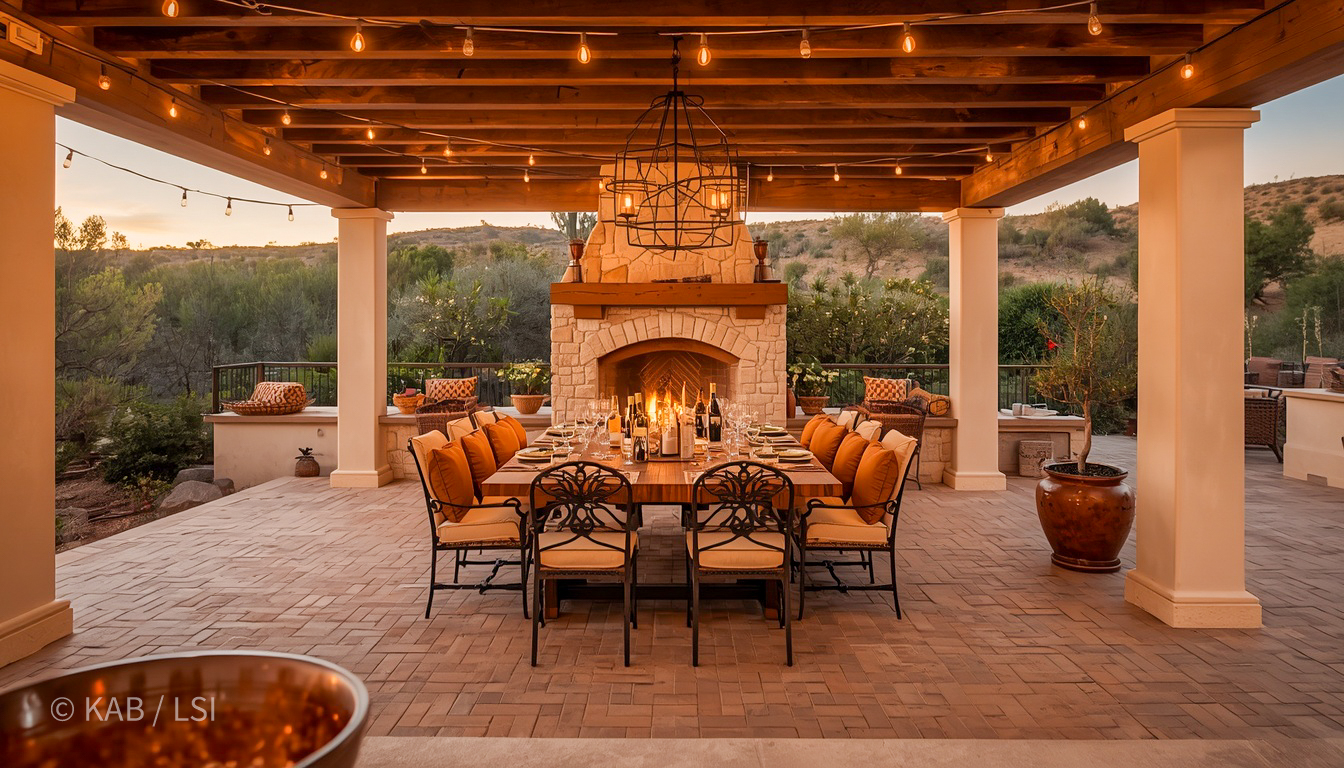
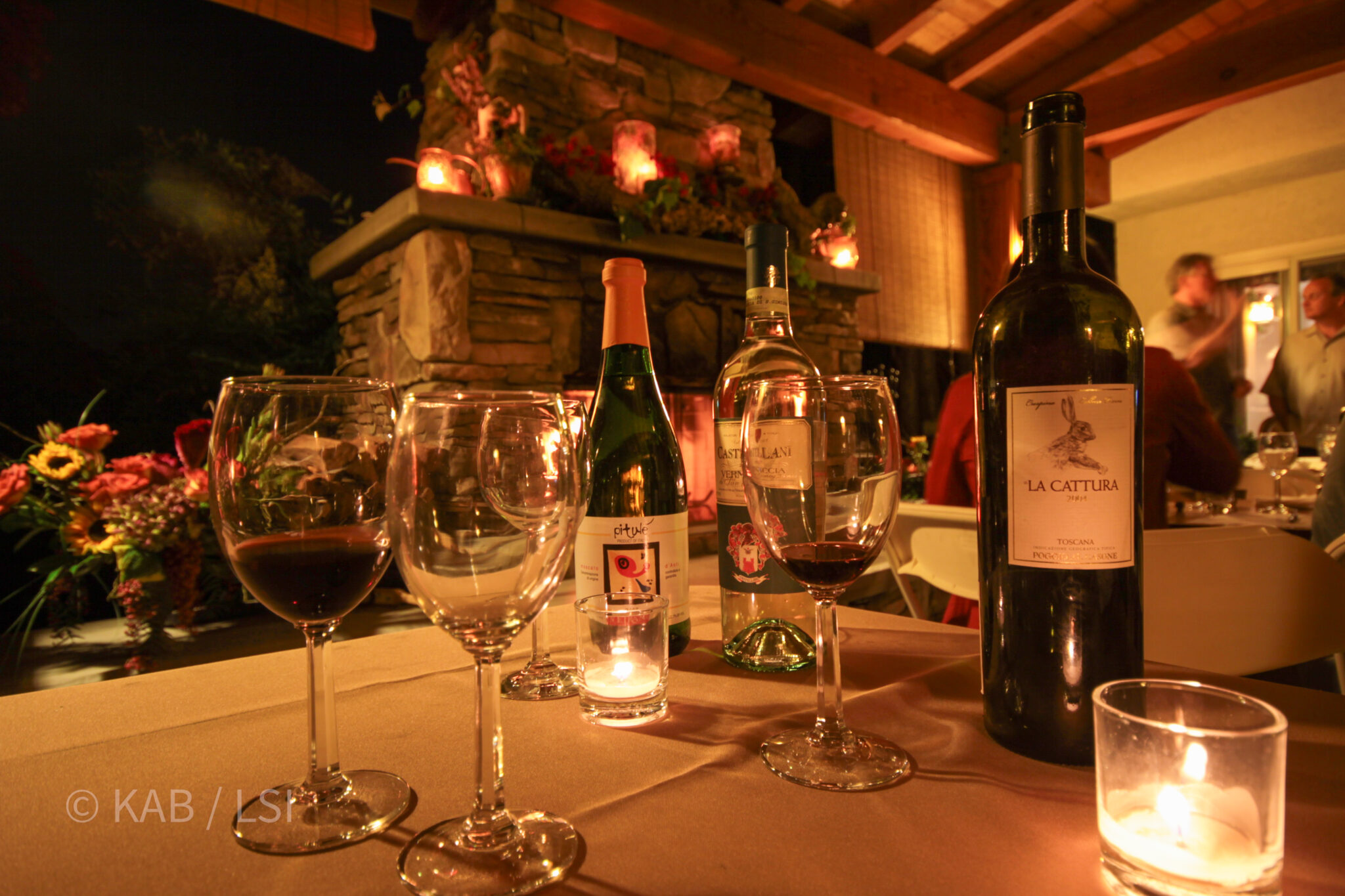
Why do we live up here? Because when you build into the other 90% of an acre, the property starts giving you back hours you didn’t know it had. The savvy neighbors have been doing this for decades — spreading out across the hill they already own. A wine-tasting crew comes and sets the table. Family arrives. Friends from work, from church, from the next ridge over. The evening fills a room you built into a piece of land that used to be brush.
Quality of life is daily. We are here a blink. The property is handed to the next steward eventually. The question is whether you used it while it was yours.
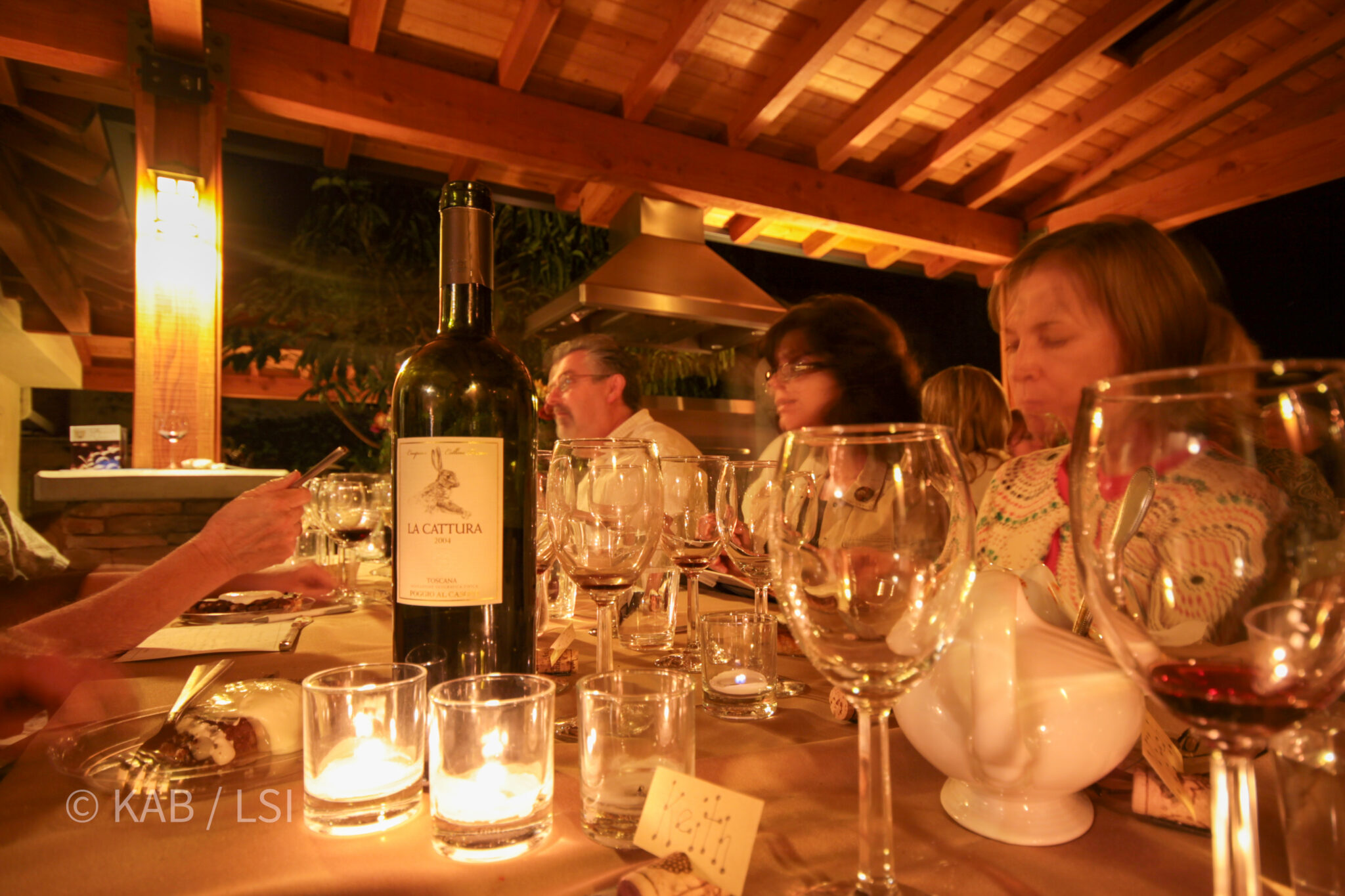
This is what the backyard looks like when you finally have one worth using · © KAB / LSI
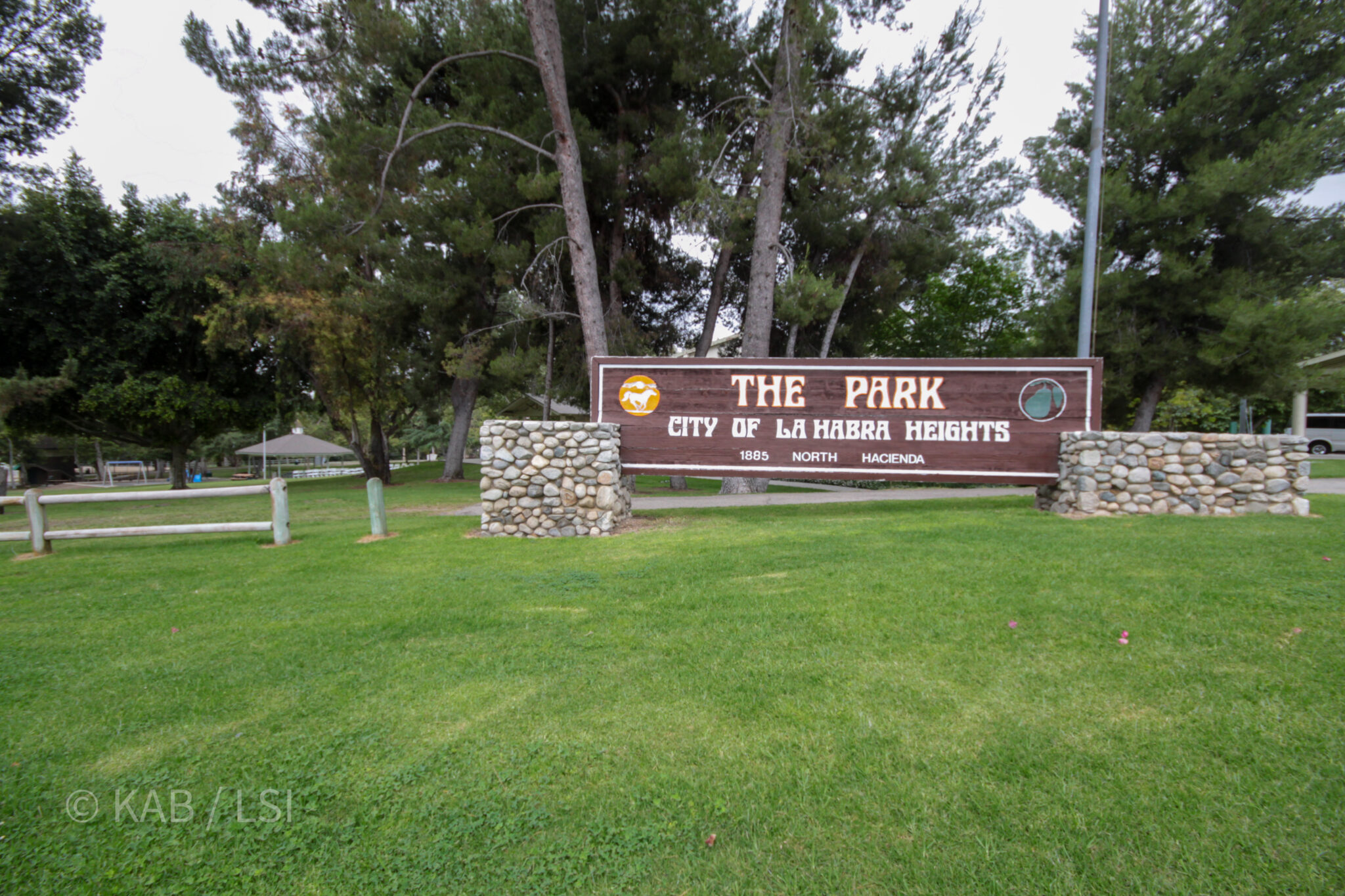
The honest part
What you gave up. Why it was worth it.
There are no sewers. You’re on septic. When it rains hard, hillsides move. Brush clearance isn’t optional — fire season comes every year without exception.
Getting a contractor who actually understands hillside construction is its own ongoing project. A steep driveway ages differently than a flat one. An oak woodland requires different thinking than a lawn.
The rattlesnakes are real. So are the deer, the foxes, the coyotes, and the occasional mountain lion. Mud comes down the hills on big rain events. The backside of your lot is cut into the hill; the front side is fill dirt. None of this is hidden. The people who’ve been here longest will tell you all of it, unprompted.
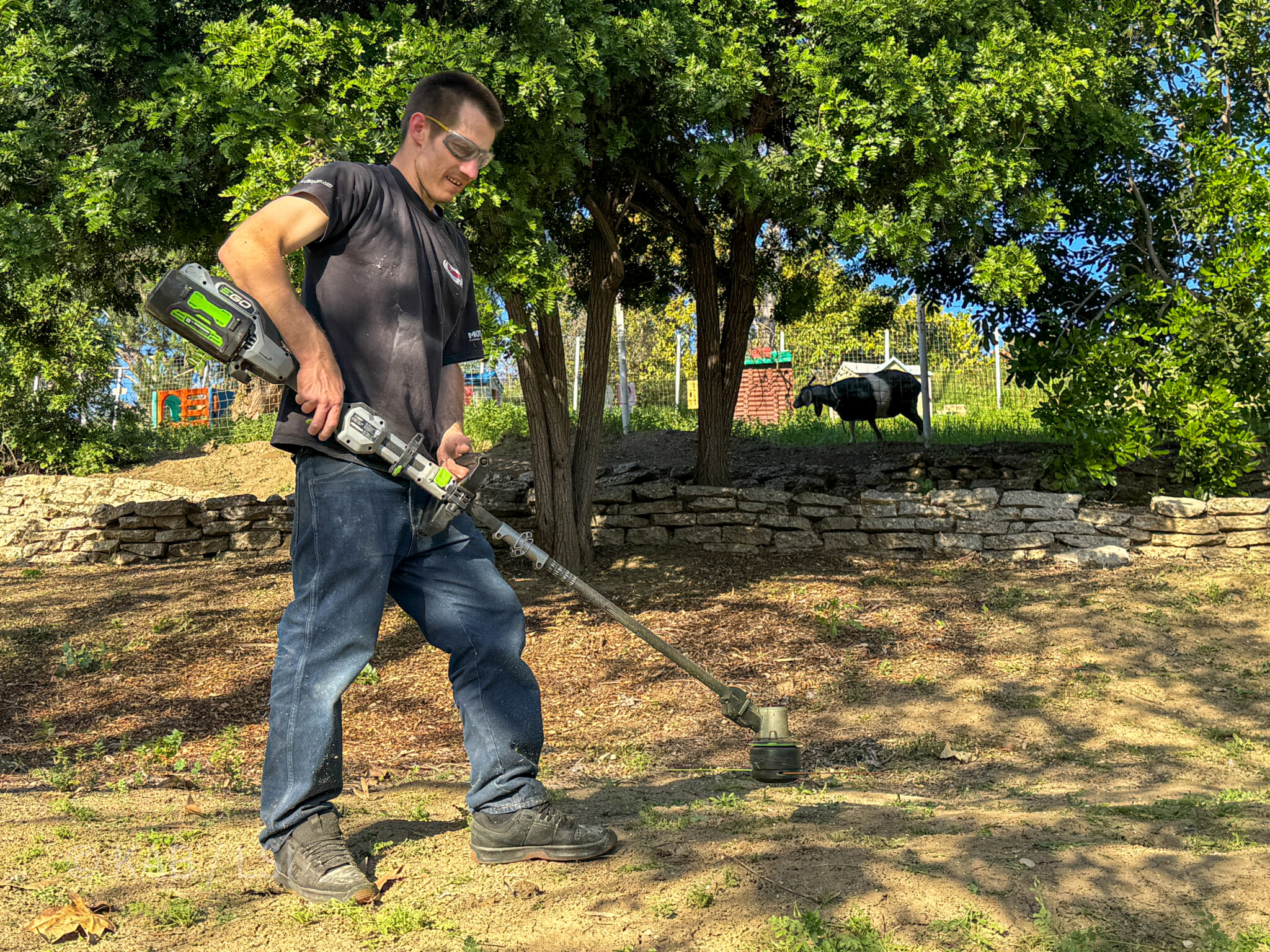
“You didn’t buy a house. You bought a piece of ground that has been asking people to pay attention to it for over 180 years. It’s still asking.”— Keith Bennett · Private Spaces
If you own property here, let’s walk it together.
One paragraph. Tell me what’s going on with your property. I’ll tell you whether I can help and what the first step looks like. No charge to begin.