Private Spaces · La Habra Heights
Wine Cellars — what turns a property into the property.
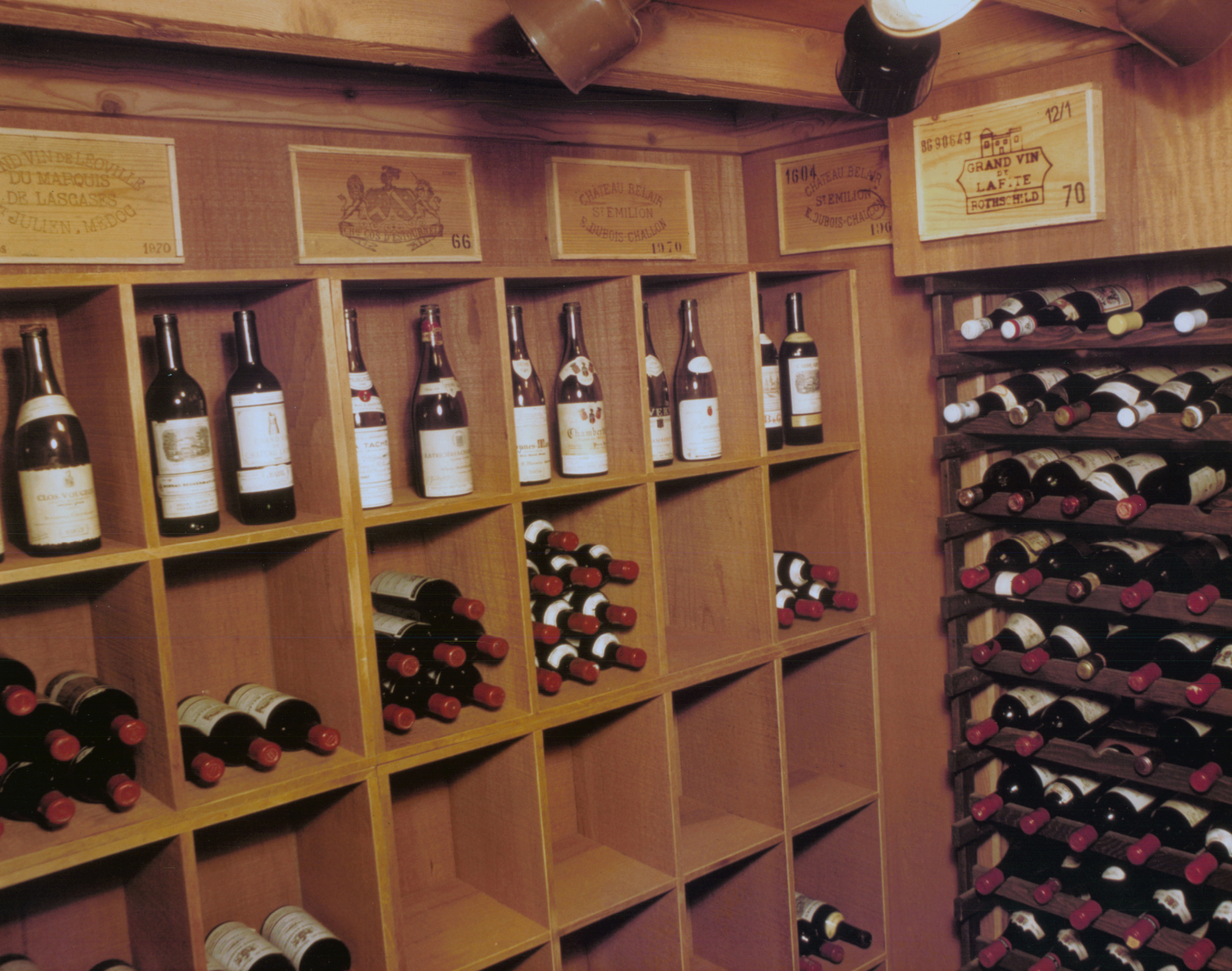
Wine is both a California lifestyle and an old-world tradition — Temecula, Santa Ynez, Paso Robles, Monterey, Napa, Sonoma, and the bottle shared at the family table. A cellar lets that story live on your hillside instead of merely passing through. It becomes one more magnet on the property — and the property with the magnets is the one everyone says yes to.
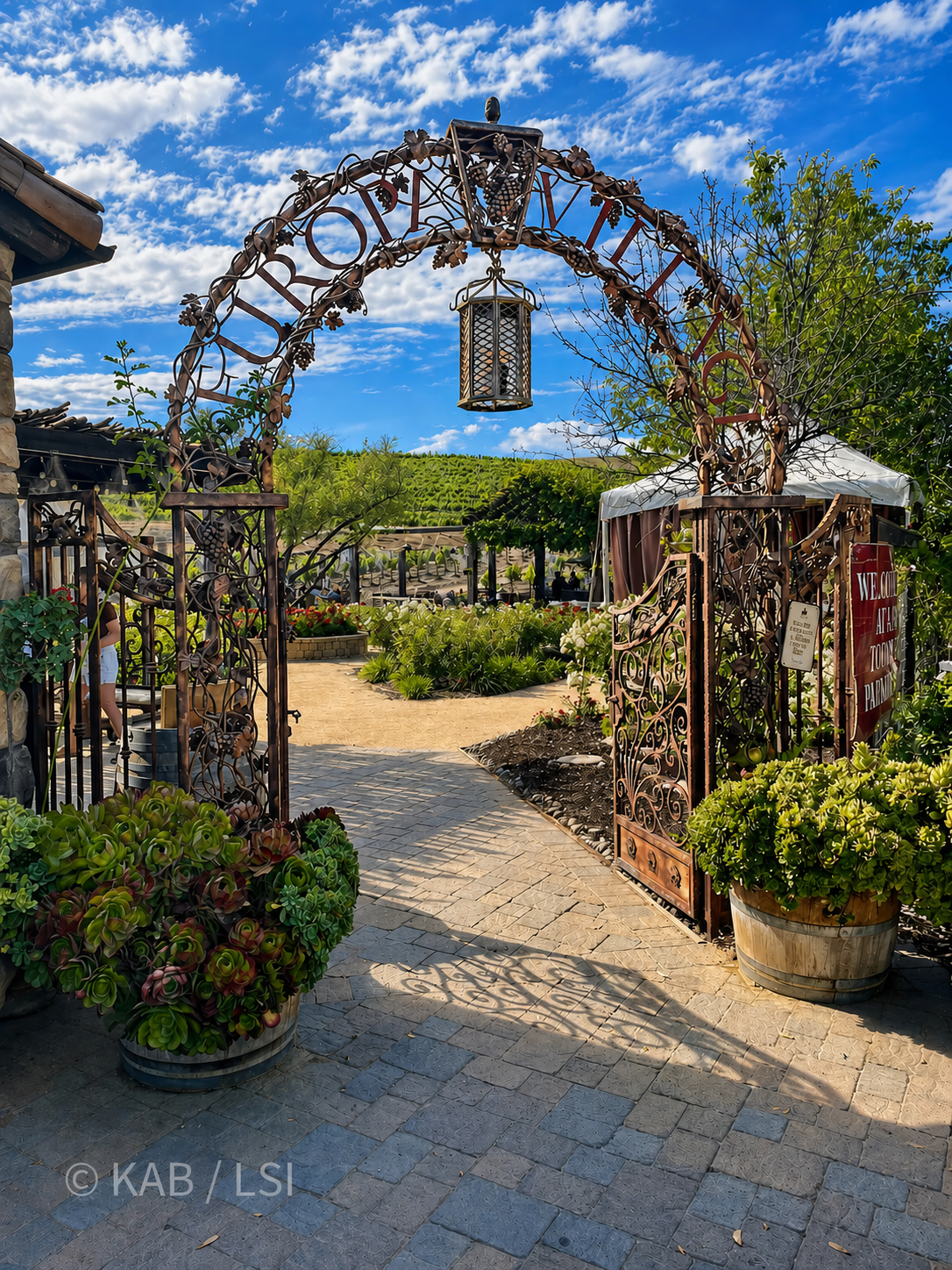
Outbuildings · Wine Cellars
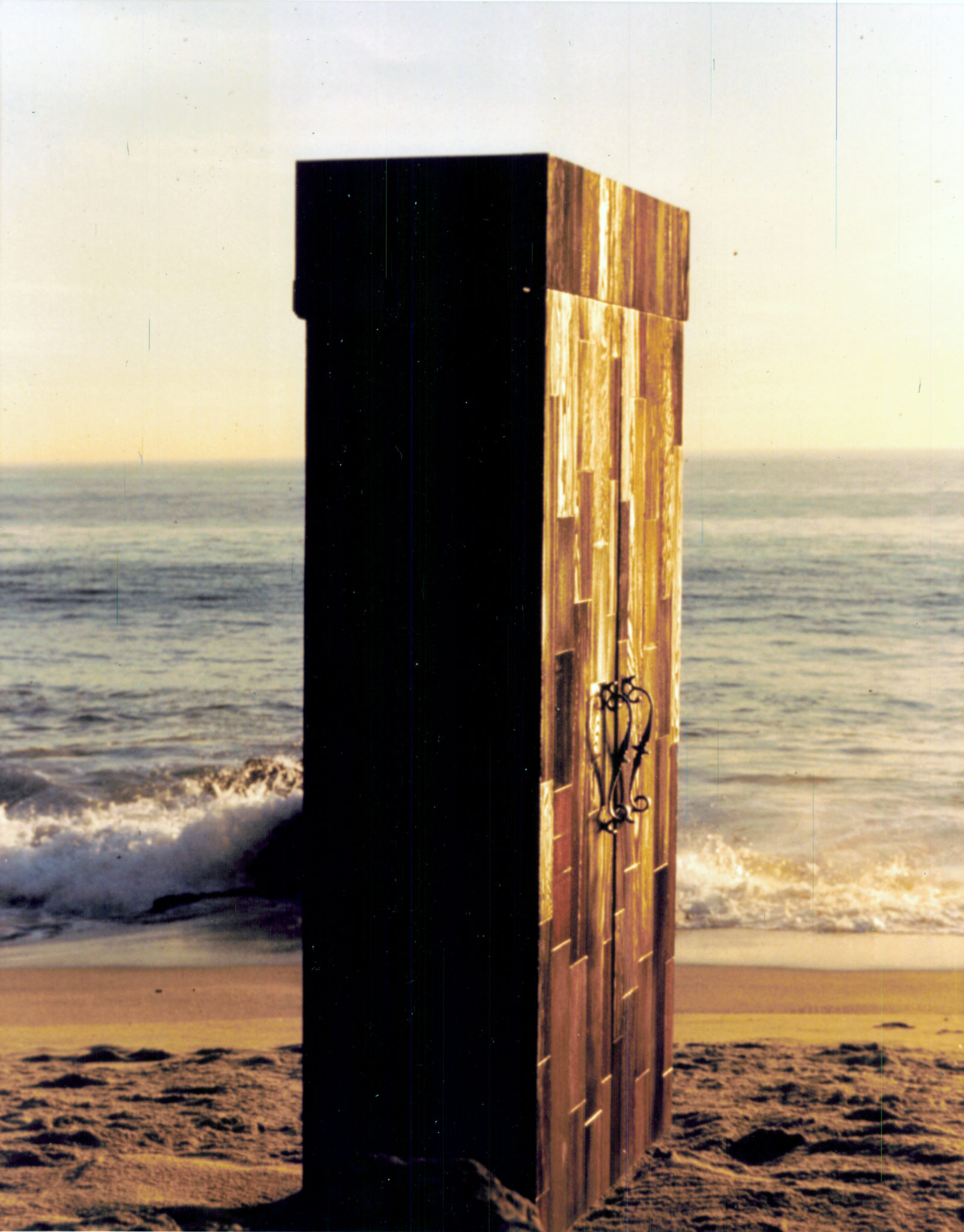
It started with a wine cellar that looked like it had always been there.
Hollywood found out I could build a wine cellar that looked like it had always been there. Then it called Beverly Hills.
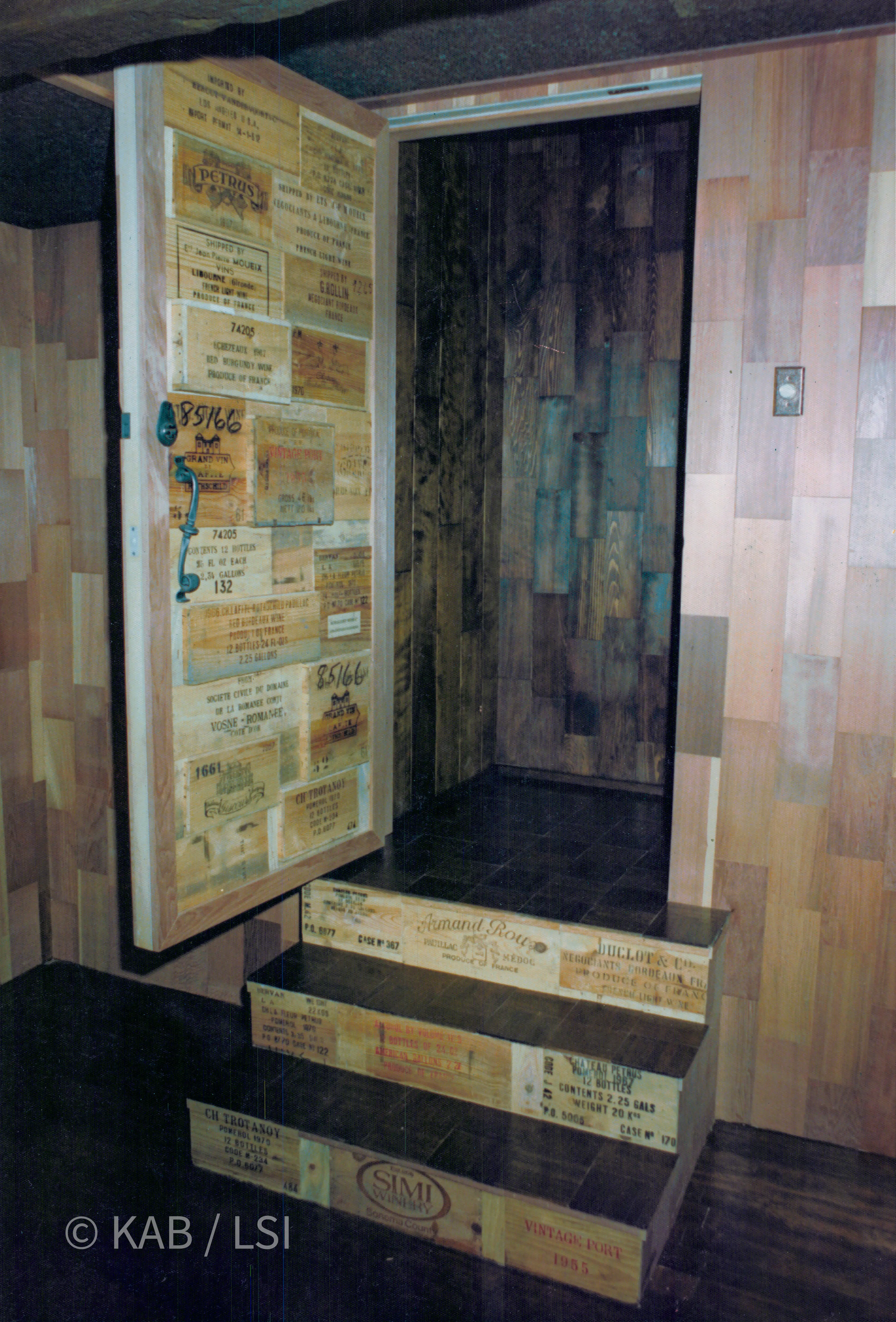
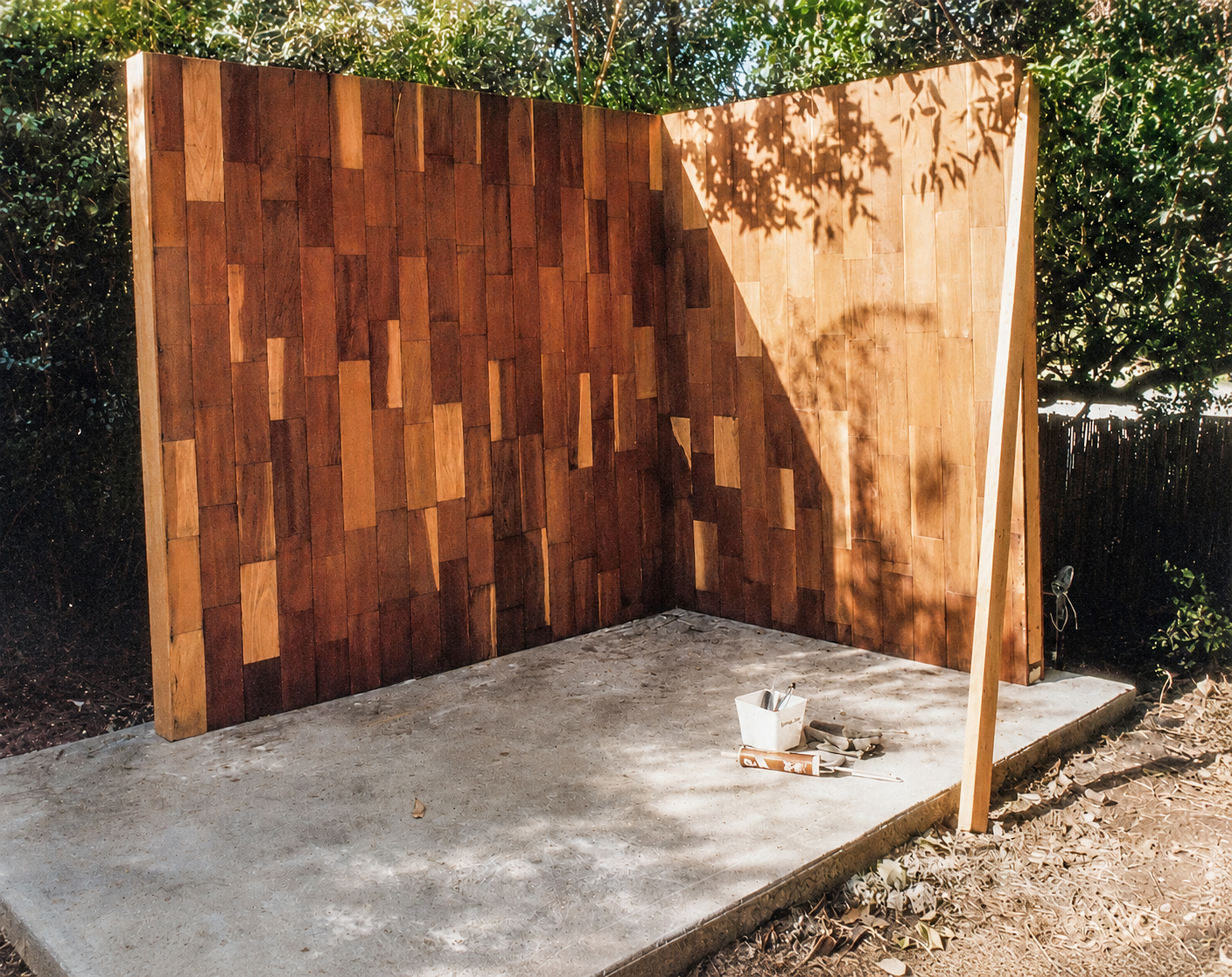
I had a manufacturing company in South El Monte called Vintage Guardian, producing a branded wine cellar unit — 220 bottles, polyurethane construction, finished to look like fine furniture. Alongside the indoor cellars, we built prefab, free-standing insulated outbuildings that shipped to the site and assembled on a concrete slab — backyard temperature- and humidity-controlled wine cellars, years before Tuff Shed and “She Sheds” became an industry.
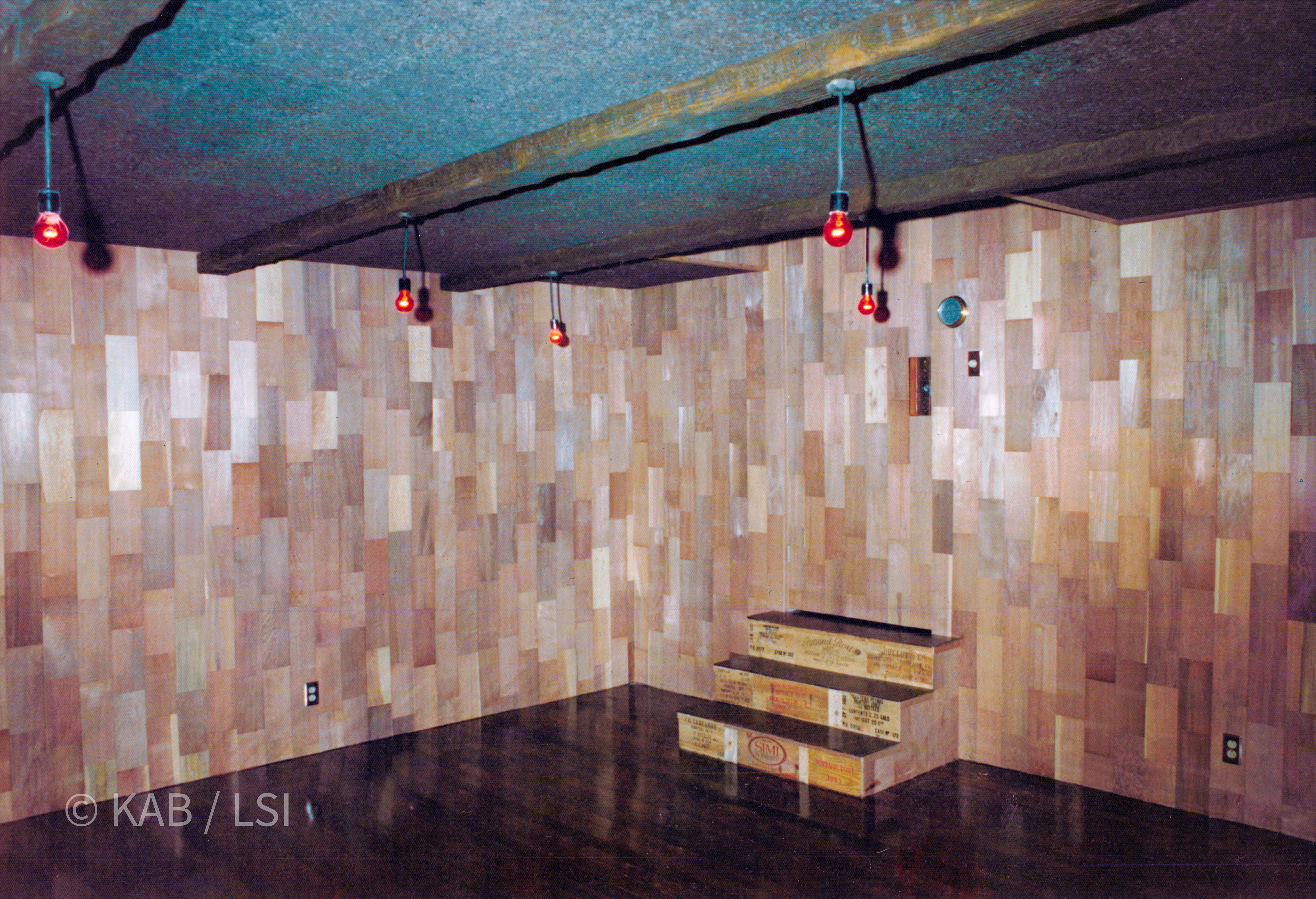
Demand from restaurant owners pulled us in a new direction. They wanted custom wine rooms built into their private spaces, where a well-designed cellar could anchor the entire dining experience. That’s what drove my first contractor’s license in 1975 — out of necessity.
Where a cellar can go
An outbuilding — or a room under your own house.
The word outbuilding suggests something out in the yard, and often that is exactly right. But on a hillside it can mean something else — and most owners never think of it. A house cut into a slope sits low at the back and rides high on a raised foundation at the view side. Under that raised side there is volume. Not the forgotten crawl space most people picture, but real room — enough to stand up in, a little or a lot, depending on the grade.
We have converted many of those spaces into cellars. The structure is already there, the ground is already shaded and cool, and the house above does half the insulating work for free. No new pad, no new roof, no separate building to permit. For the right hillside home it is the fastest and least expensive cellar there is — a serious climate-controlled room that was hiding under the floor the whole time.
That is the first question worth asking before anyone prices a free-standing building: walk the underside of the house, on the view side, and see what the slope already gave you.
How a cellar gets built
One trench does the work of five.
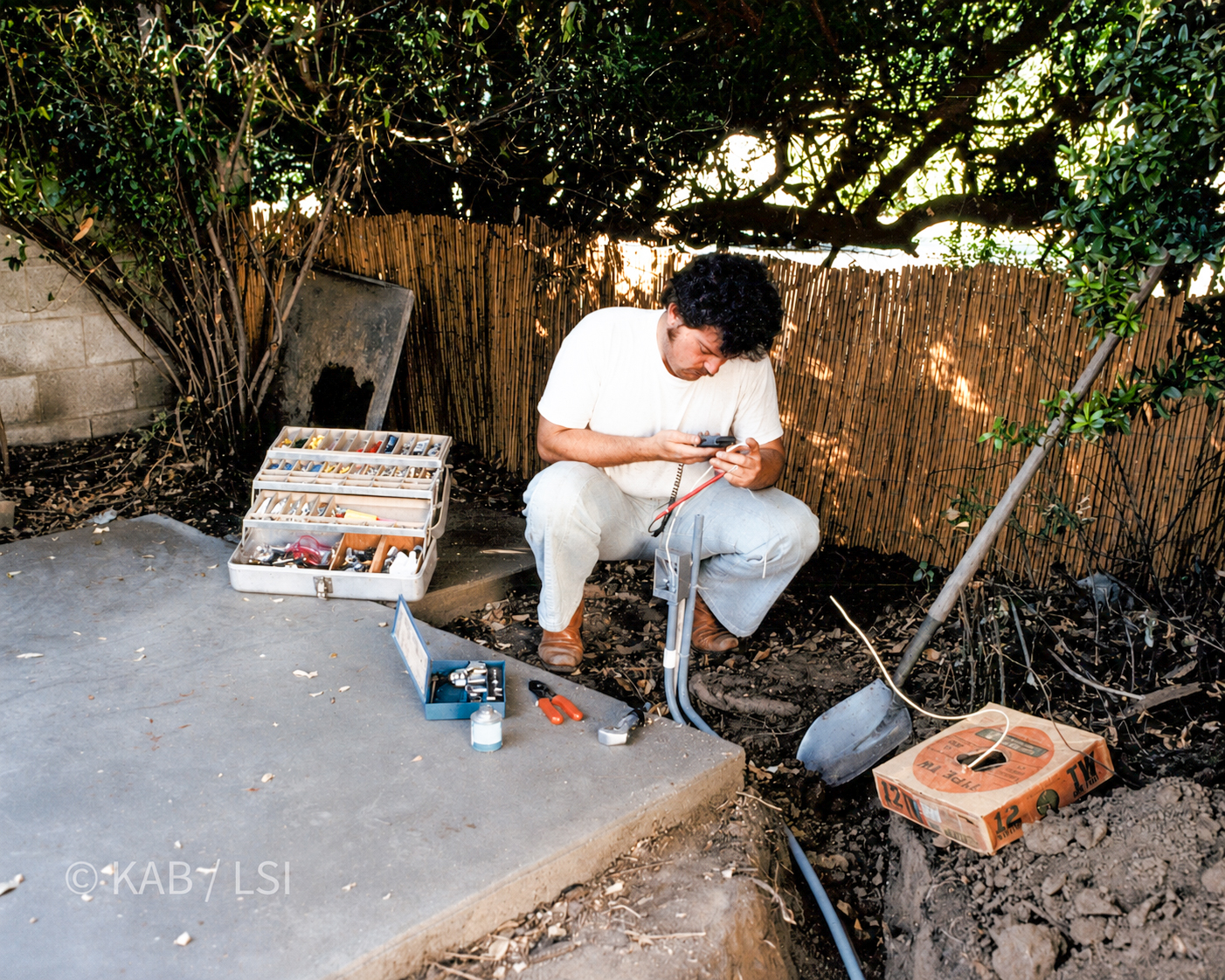
When the cellar is a free-standing building rather than a room under the house, it starts the way every outbuilding has started for forty-five years: a modest rectangle of troweled concrete, and a trench running back to the main house. What most people picture in that trench is a single power line for the cooling system and the lights. Open it once, though, and it should carry far more than that.
Power for the refrigeration and the lighting, yes. But alongside it, in its own conduit, an Ethernet line — so the building has a hardwired connection for Wi-Fi, and a place to put a security camera. And a water pipe, because a destination you walk out to should have water at it. The digging is the expense. Filling the trench properly the first time is almost free by comparison. One trench, opened once, doing the work of five.
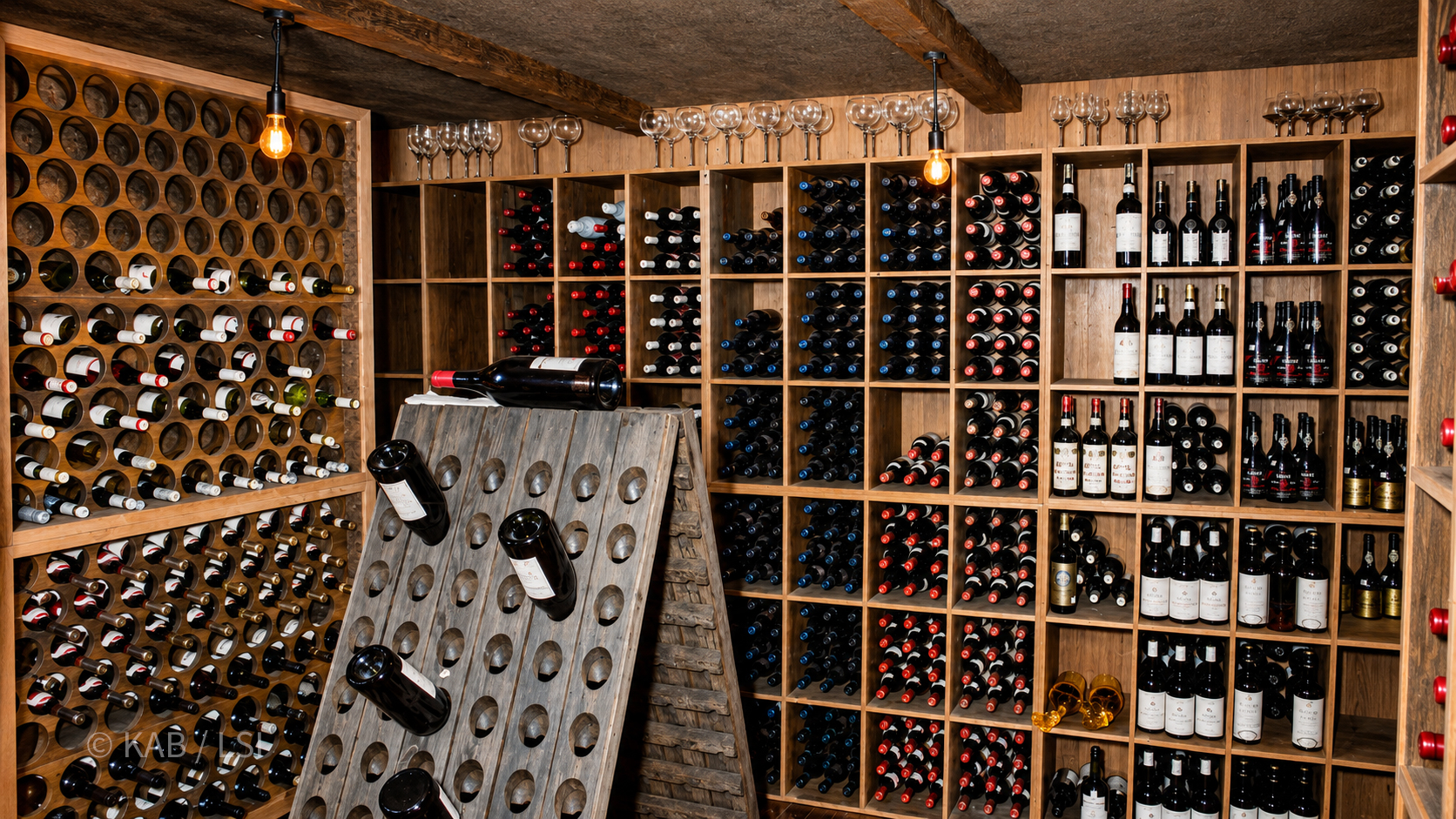
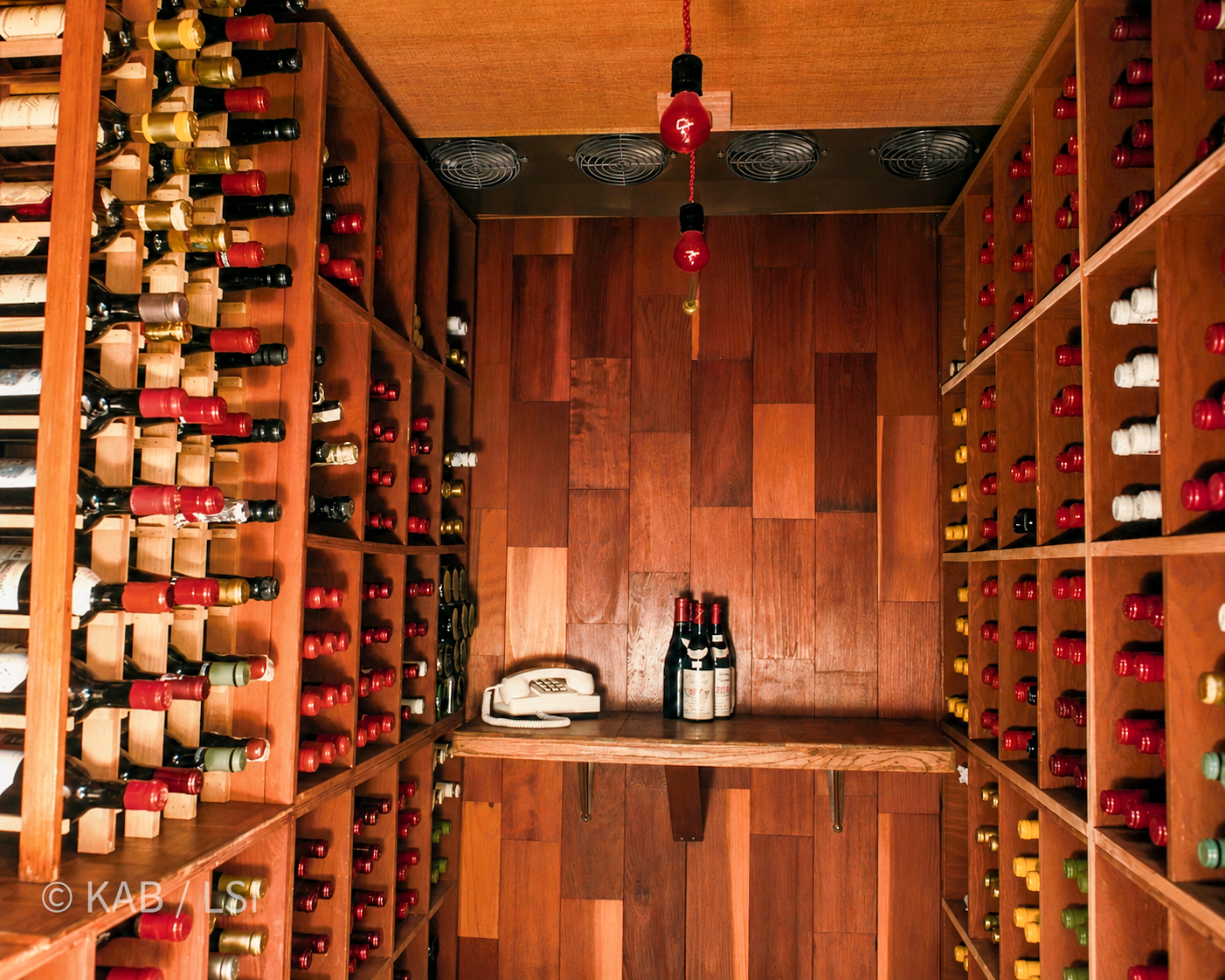
From there the cellar itself answers the familiar questions. The ground — a cellar is heavy when full, and hillside clay moves, so the pad has to be right. The envelope — temperature and humidity are the whole job, so the walls are sealed and insulated the way a walk-in refrigerator is. The systems — a refrigeration unit sized to the room, quiet, with the condensate handled. The finish — redwood racking, the door, the lighting, the details that make it feel like it was always there. One of the first I built this way is still standing decades on — still cool, still full. An outbuilding done right does not depreciate; it is equity that holds.
Outbuilding, or outpost
An outbuilding is also an outpost.
Here is the shift worth making. An outbuilding is something you build. An outpost is something you use and protect — and every outbuilding on the unused ninety percent of a property is a candidate to become one. The Ethernet line you ran in the trench gives you a camera position out there: a quiet vantage point that can watch the perimeter fence, look back toward the house, or keep an eye on the yard where the grandkids and the puppies spend their afternoons.
The water pipe earns its place the same way. A destination you walk out to wants water — for washing down the building, rinsing the paver entrance, hosing the roof, washing your hands, cleaning up a broken bottle, and filling the Fido dish that inevitably ends up out there. Every private space, in the end, collects a little landscaping around it — plants and a path that make it a warm place to arrive. Water, light, a hardwired line, climate control: the utilities an outpost deserves.
A spare bedroom can still become a climate-controlled cellar in a week or two — no trench, no permits, the fastest path of all. A room under the house or a building on its own pad takes longer and does more. The right answer is the one that fits the property, and that is the conversation worth having before anyone pours concrete. These are private spaces, built to last.
Why you build one
The reason your house is the one everyone comes to.

“A well-built cellar is infrastructure. It is the quiet craft that lets you pull the right bottle on the right night — for years.”
Keith Bennett · Forty-five years on the La Habra Heights hillside