Private Spaces · La Habra Heights
Vision
For owners who already know their property has more in it — and want a peer to think it through with them, before any of this gets expensive.
SECTION ONE
Before You Build
This is the conversation that happens before the contractor, before the architect, before the bid stack. The thinking part. The sequencing part. The “what if we did it the other way around” part. Forty-five years on these hillsides means a lot of mistakes are visible to me before they happen — and a lot of opportunities are visible too.
SECTION TWO
What Could This Property Become
The acre behind the house that’s never been touched. The parcel next door that just came up. The unused side yard that could hold a writer’s studio, a wellness pavilion, a guest house, an observation deck, a sixth destination. The kinds of conversations that start with “I’ve been thinking about…” and never get past the kitchen table because there’s nobody to think them through with.
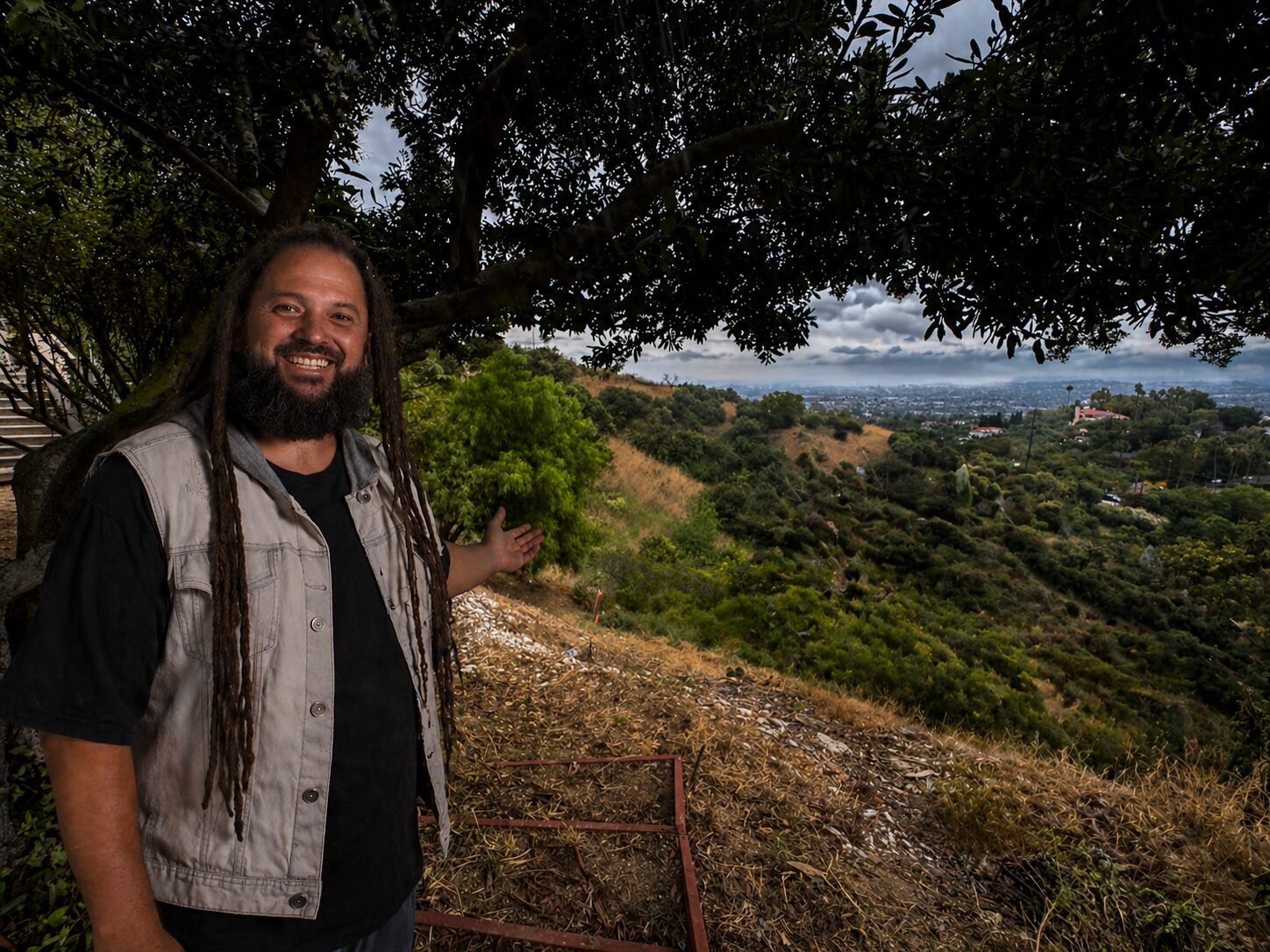
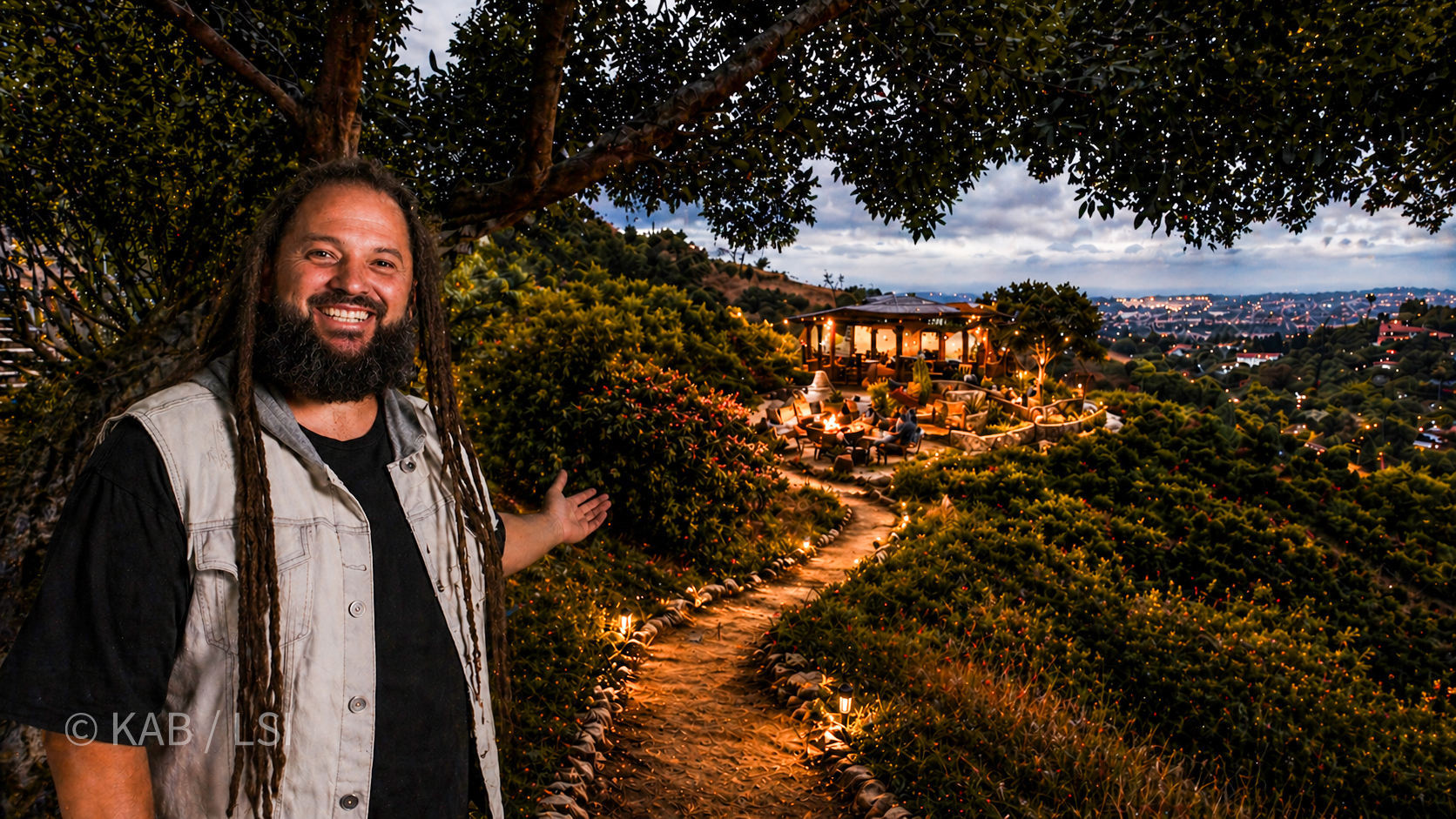
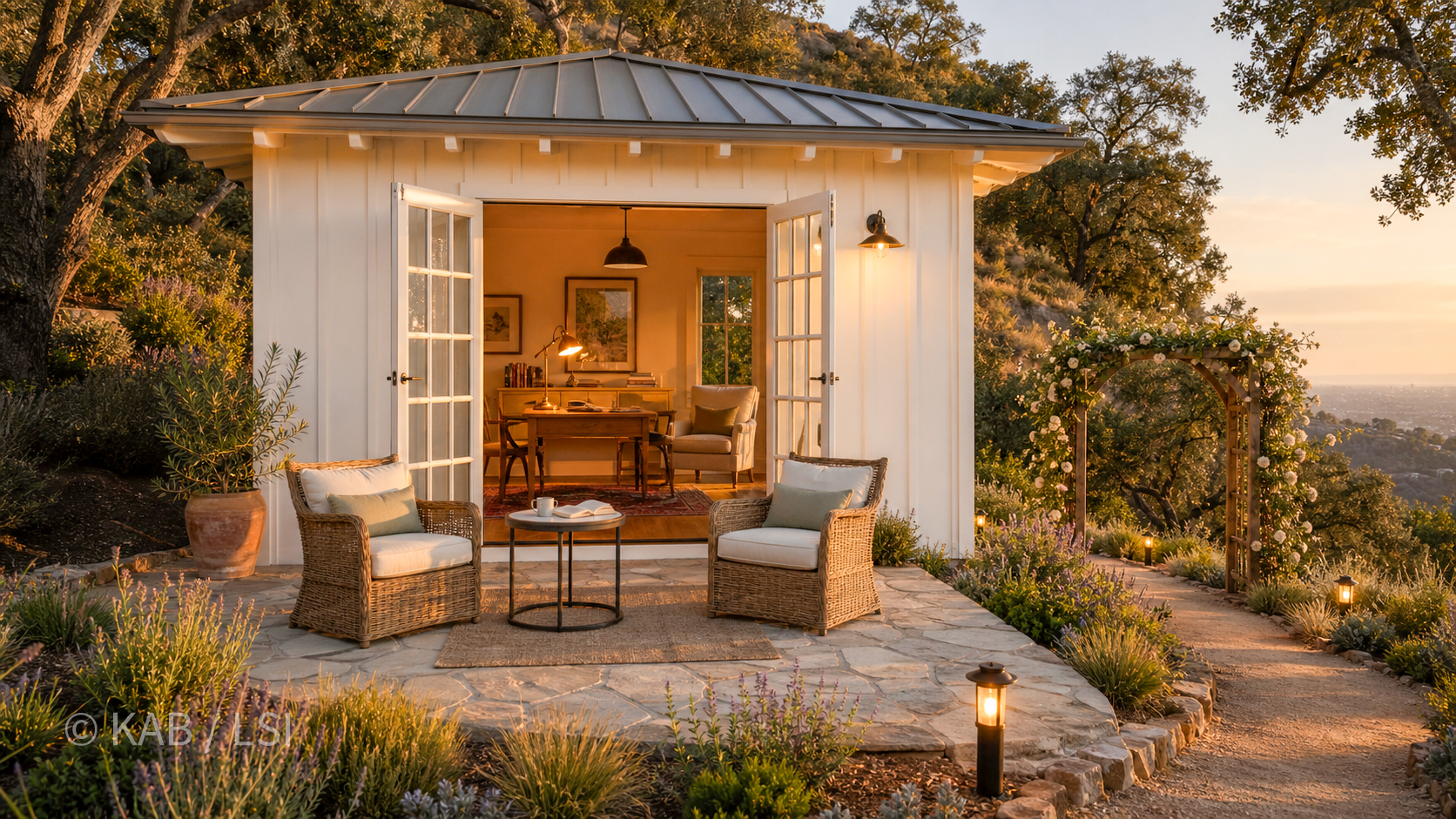
Home with the camera and the drone footage of all five acres, SD card out, a couple of hours in Lightroom. I rendered an architect’s illustration of one of the paths he’d shown me — just one of the several destinations that an extra four acres could hold — and texted it back to him:
One photograph, one rendering, a day and a half apart. The first is what stands on the hillside today. The second is one of many interpretations I carried home from what the owner described on the 90% exterior vision walk. Both are real. One of them just hasn’t been built yet.
The 90% You Already Own
The 90% you already own.
A walk-through of the part of your property the gardener charges to keep tidy, the fire marshal asks you to keep clear, and a few savvy neighbors have quietly turned into the best room in the house.
If you live in La Habra Heights or somewhere like it, your house probably has a footprint somewhere between 2,800 and 3,000 square feet. Many homes up here are bigger — the two-story 6,000-square-foot mansion-class properties with five bedrooms and six bathrooms are common. But the footprint of even those rarely exceeds 3,200 square feet, because the second story does the work the first story can’t.
An acre is 43,560 square feet. La Habra Heights is zoned RA-1, which means one acre is the minimum lot size, and many neighbors have more. The math is what it is: a 2,800-square-foot footprint on a one-acre lot is using about 6 percent of the land you own. A 3,200-foot footprint is using about 7 percent. Add the driveway and a generous patio and you’re still under 12 percent.
Which means somewhere between 88 and 94 percent of what you bought is something you walk past on your way to the car.
For a handful of savvy neighbors, the other 90% is something else entirely. It’s the reason they bought the property. It’s where their grandchildren want to be when they visit. It’s where the phones come out — not to scroll, but to take pictures the grandkids will text to their parents that night.
The reframe — what the fire marshal calls a fuel load is what a magazine editor would call a canvas.
La Habra Heights is a Class 4 fire area, same as Malibu. The annual obligation is real: brush has to be cut, dry growth has to be cleared, defensible space has to be maintained around every structure. Most owners experience this as an expense and an inconvenience.
It is both of those things. It is also an opportunity hiding inside a chore.
Every time the brush is cut, you get a chance to walk the lot and ask a different question. Not what needs cutting back? — but what would I want to walk to, if there was a pathway here? A path that bends behind the existing landscape so guests can’t see it from the driveway. A flat spot at the end of it where the light comes through the gap between the oaks in November. A small structure there — a She-Shed, an observation deck, a writing studio, a pergola, a meditation perch — that turns the part of the lot you only see in fire season into the part of the property you spend your evenings in.
This is the move savvy neighbors make. Quietly, slowly, often a quarter-acre at a time. Not all at once. Not as a single dramatic project. As a sequence of small additions over years, each one earning its keep, each one paid for as the budget allows.
The weather — 300 days of doors flung open.
Neighbors who moved here from cold climates — from the Midwest, from the East Coast, from countries where winter means six months indoors — can’t quite believe the year-round weather. Three hundred-plus days of mild, dry, shirt-sleeve weather. No mosquitoes worth speaking of. No humidity. Few bugs. The marine layer cools the afternoons; the hillside drains the storms.
You can leave the doors open year-round. Most days, you should.
But most LHH homes are built like LHH didn’t exist outside the front door. The interior is finished beautifully. The exterior is treated like a maintenance obligation. Owners spend the evening on the couch when they could be spending it on a destination deck overlooking the canyon, with a small radiant gas heater to take the chill off when the marine layer rolls in after sunset.
The radiant heater is a $400 device and three hours of trade labor. The destination deck is something we walk to and find together. The combined effect is that you start using rooms you didn’t know your house had.
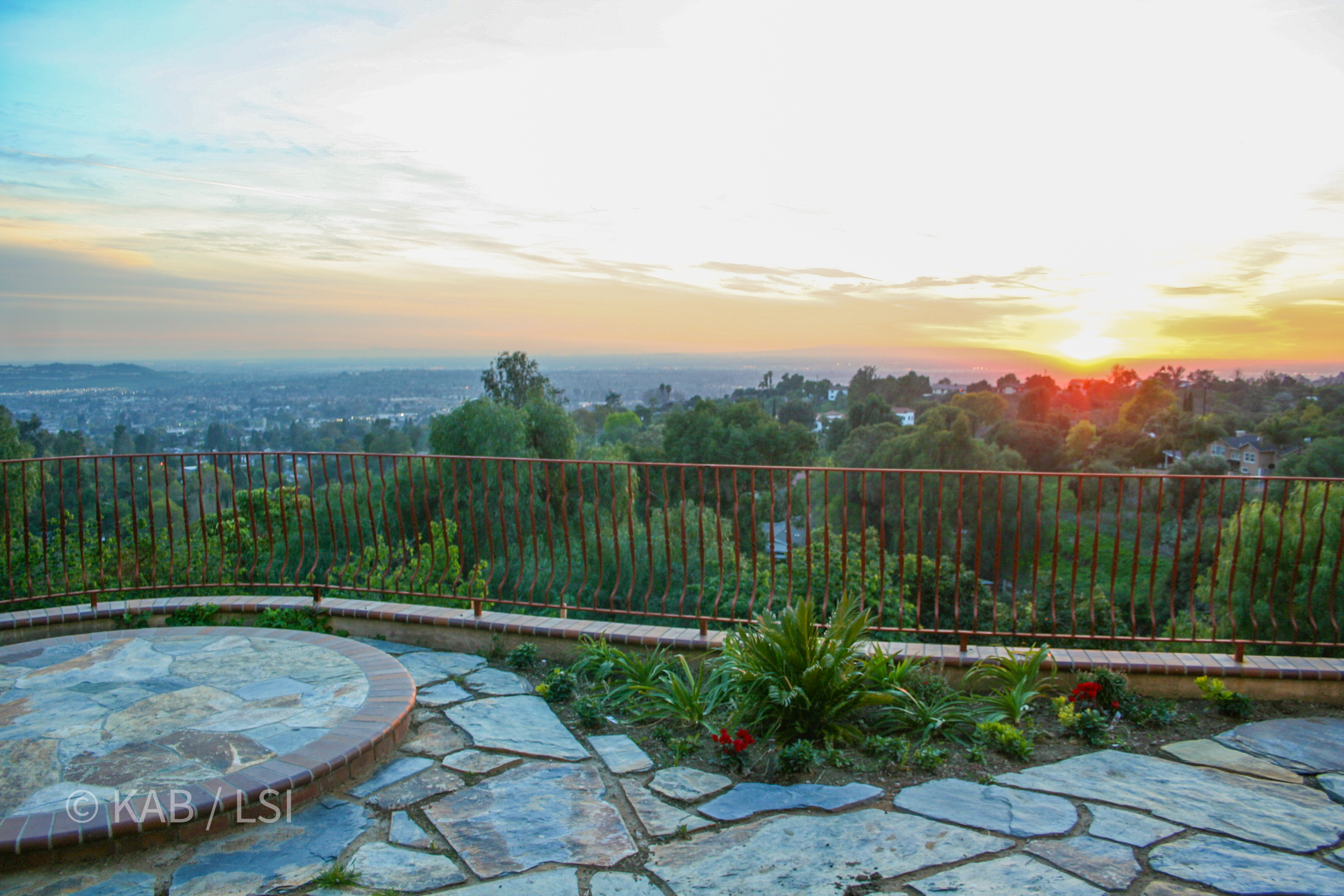
The Heights at golden hourAn observation deck above La Habra. Three hundred days a year, this is the right room.
The grandchildren — coyote fencing, hidden pathways, places that belong to them.
A meaningful portion of the lifestyle savvy neighbors build into their property is for visitors who don’t live there. Adult children come back. Grandchildren visit. Friends from work come for Thanksgiving. The property has to hold them.
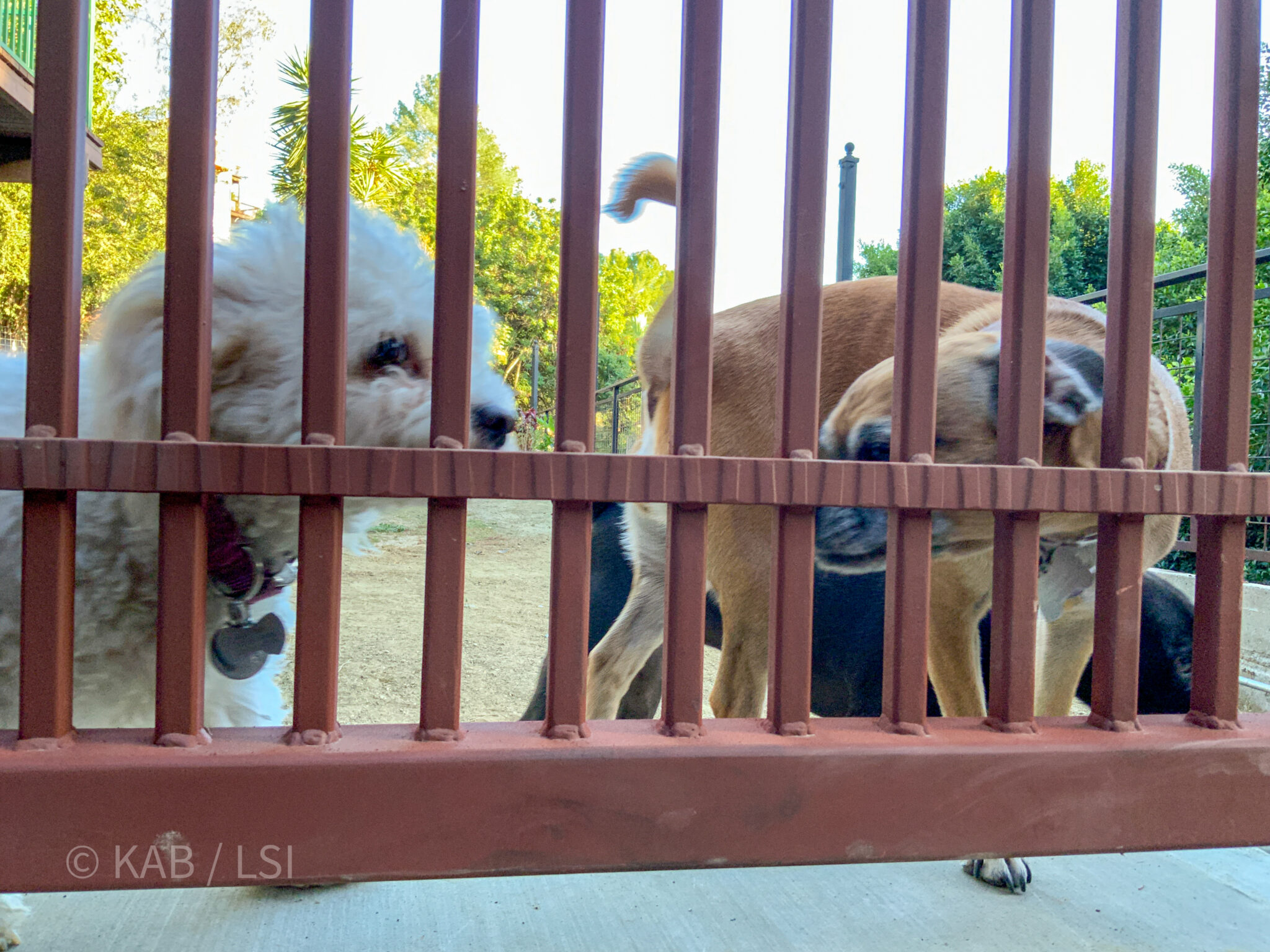
The features that do this work are smaller than people expect. Anti-coyote fencing around a 200-square-foot play area near the back patio — suddenly little ones and puppies can be outside without supervision. A short mysterious pathway behind the avocado trees, ending in a tiny destination clearing that’s theirs, that the adults don’t use — suddenly the teenagers actually want to come over. A second outdoor cooking area separated from the main patio — suddenly Thanksgiving dinner can have two simultaneous conversations without everybody crowding the kitchen.
These aren’t renovations. They’re reasons to come outside.
The equity — Zillow already knows what you’ve done.
When you eventually sell — in five years, in fifteen, when the grandchildren are adults — your property will live on Zillow alongside dozens of others a buyer will scroll through in a single sitting. Larger homes up here typically list with 60 to 80 photographs. For most properties, 55 to 60 of those are interior shots: kitchen, primary suite, the second living room, the wine cellar, the laundry room nobody’s impressed by anymore.
For the properties that actually work, 15 to 20 of the photographs are outside. Not driveway-and-façade outside. Destination outside. The view deck. The pergola at golden hour. The pathway that disappears into the slope. The spa off the master bedroom. The fire pit with the canyon falling away behind it. The small writing studio at the corner of the lot.
A buyer doom-scrolling Zillow at 11 p.m. with their spouse on the couch next to them isn’t reading the listing description. They’re reacting to the photographs. Twelve outside photographs of destinations they can imagine themselves in — that is the difference between being the property they drive past tomorrow at the open house and the property they delete from their queue tonight.
The improvements you make to your 90% don’t just improve your daily life. They are the photographs that will sell the property when you’re ready to hand it to the next family. The Zillow images you’ll wish you had — those are the destinations you build over the next few years.
The thesis — no caps on overbuilding when the neighborhood doesn’t have a ceiling.
In a suburban tract development, you can overbuild your house and lose money. The neighborhood has a ceiling, and an overbuilt house pushes against it without ever clearing it.
La Habra Heights doesn’t have a ceiling. Custom hillside neighborhoods don’t have ceilings. The properties next door have already cleared every imaginable price point. There are eight-million-dollar properties three streets away from two-million-dollar properties, and the difference between them isn’t square footage of house. The difference is what the owners did with their 90%.
What this means in practice: investments you make in destinations, pathways, observation points, outbuildings, an RV garage, a guest house, a pergola at the right corner — if done correctly, honoring the land’s natural contours and terraces, surgical rather than bulldozing — these investments increase your equity at the rate the neighborhood actually supports, which is almost dollar-for-dollar. You don’t lose money the way you would in a tract neighborhood by adding the seventh bedroom nobody wants.
The pace — quarter-acre by quarter-acre, on a schedule you can live with.
Nobody does all of this at once. The properties that work didn’t get there in one renovation. They got there over five, ten, fifteen years, one project at a time, often with the owner doing some of the work and a small handful of trusted trades doing the rest.
This is the part where I come in. I’m not the contractor on these projects anymore. I’m the person who walks the lot with you, produces the Sightlines study that shows what each corner of your property can actually see, helps you map the pathways and the destinations, brings in the trades when each phase is ready, and stays involved as the property changes shape over time.
Some clients work with me for a season — one focused project, then they take it from there. Others work with me for years, one destination at a time, on a schedule that respects their finances and their patience. Both are right. The property doesn’t care how fast you go. It just cares that you’re honest with the land.
The psychologists are right about one thing: we are spending too much time inside, on devices, scrolling, comparing, feeling worse. The cure isn’t exotic. The cure is to walk outside, breathe, and look at what you already own. For most of my neighbors, what you already own is a slice of paradise that has been quietly waiting for you to remember it.
If you’d like company while you remember it — if you’d like the Sightlines study, the walk-through, the mapped pathways, and a small list of trades you can trust — that’s what I do now, and that’s what this site is for.
If you’ve read this far, you probably already know which corner of your lot you stopped walking to. We can start there.
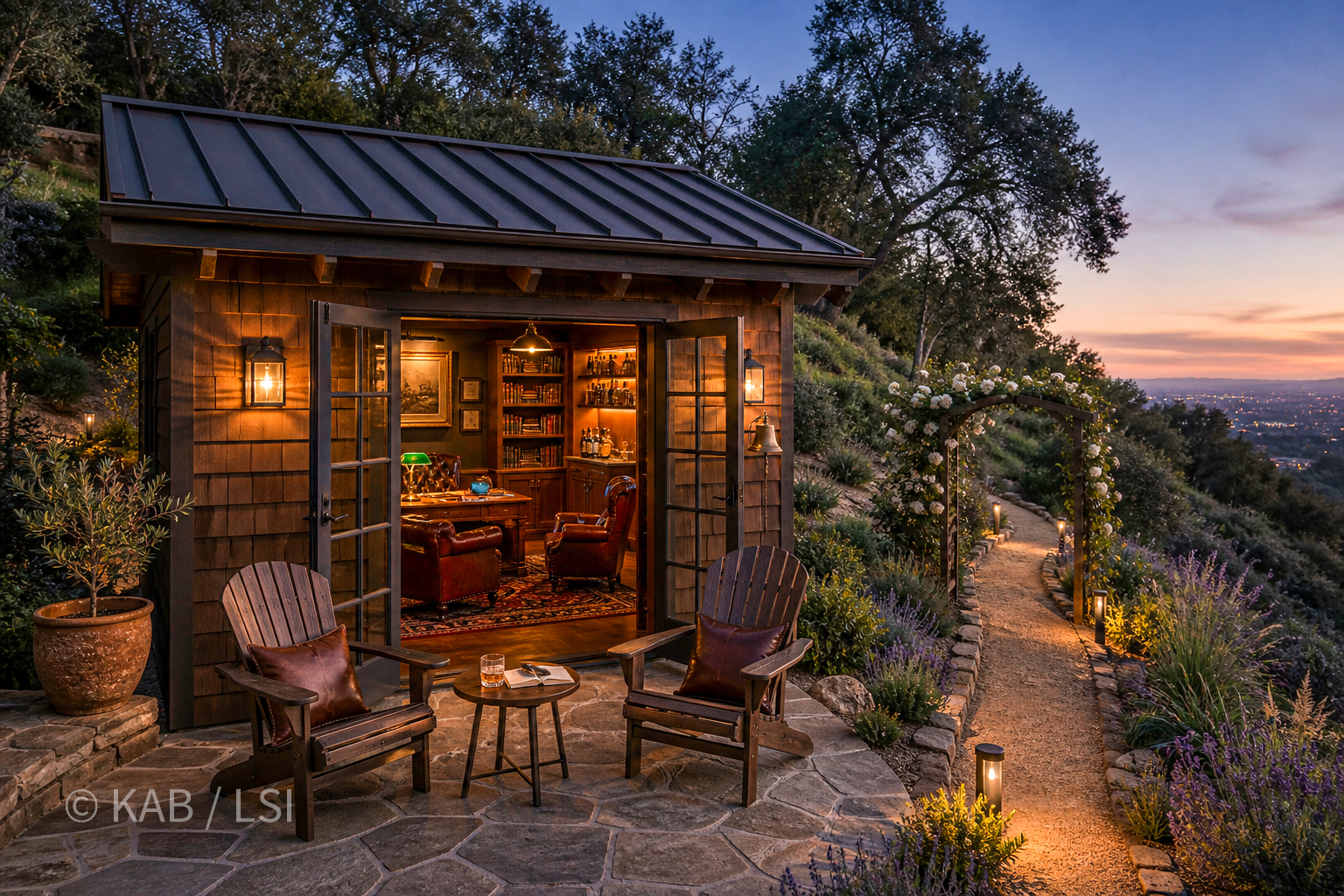
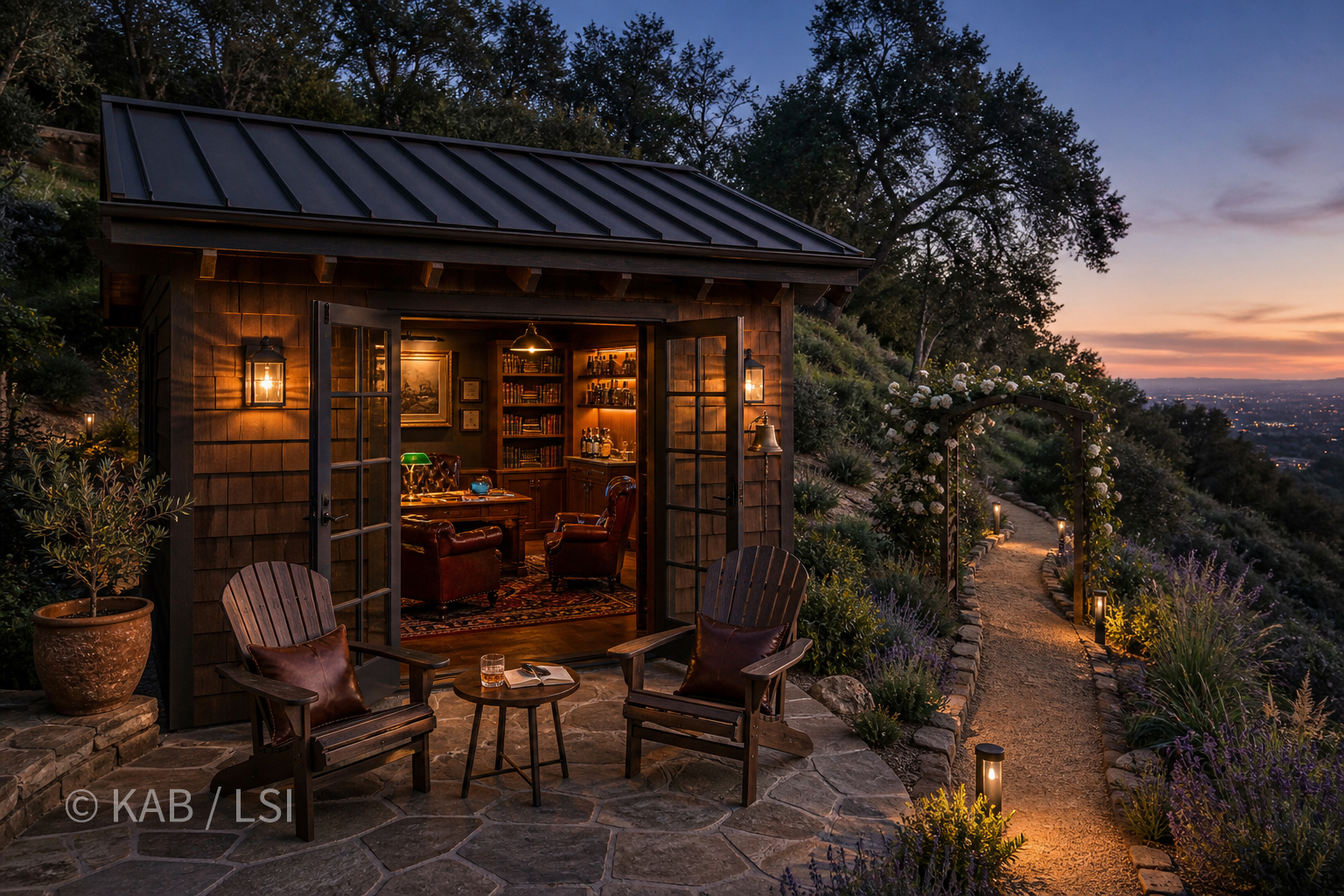
Three destinations on the same hillside
What spreading out actually looks like.
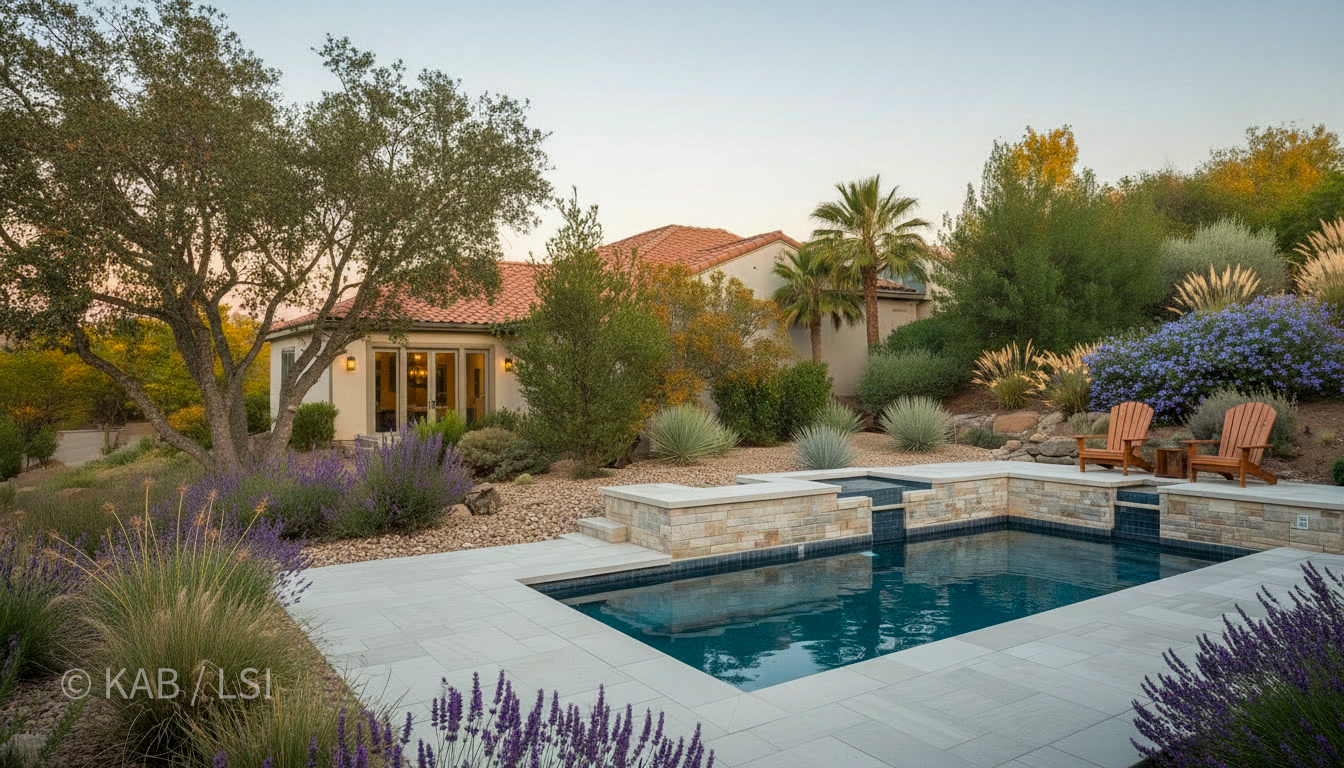
Three private spaces most hillside owners didn’t know they had to have — until they had one. Click any image to look closer.
SECTION THREE
The Vision Walk
Two hours on the property together. The drone goes up. The Bosch laser comes out. The elevated camera rig and the cellular cameras come out of the car. We walk the lines, talk through what’s possible, and you leave with a clear sense of what the property could become and in what order — not a stack of bids.
Two ways to begin.
Send a note
No charge. A paragraph or two is enough.
Tell me about the property and what you’ve been thinking. The corner of the lot you stopped walking to. The parcel next door. The studio you’ve been picturing. I’ll write back the same week with a few honest thoughts and a sense of whether we’re a fit.
Request a Vision Walk
Two hours on the ground. Drone, laser, cameras.
Only if you want me physically on the property. We walk the lot together, I document what I see, you receive a written walk-back and photographs within the week. Priced in conversation, not on the page.