Somebody on your side of the job.
You hired the contractor. The work is starting. Somebody should be paying attention — and it doesn’t have to be you.
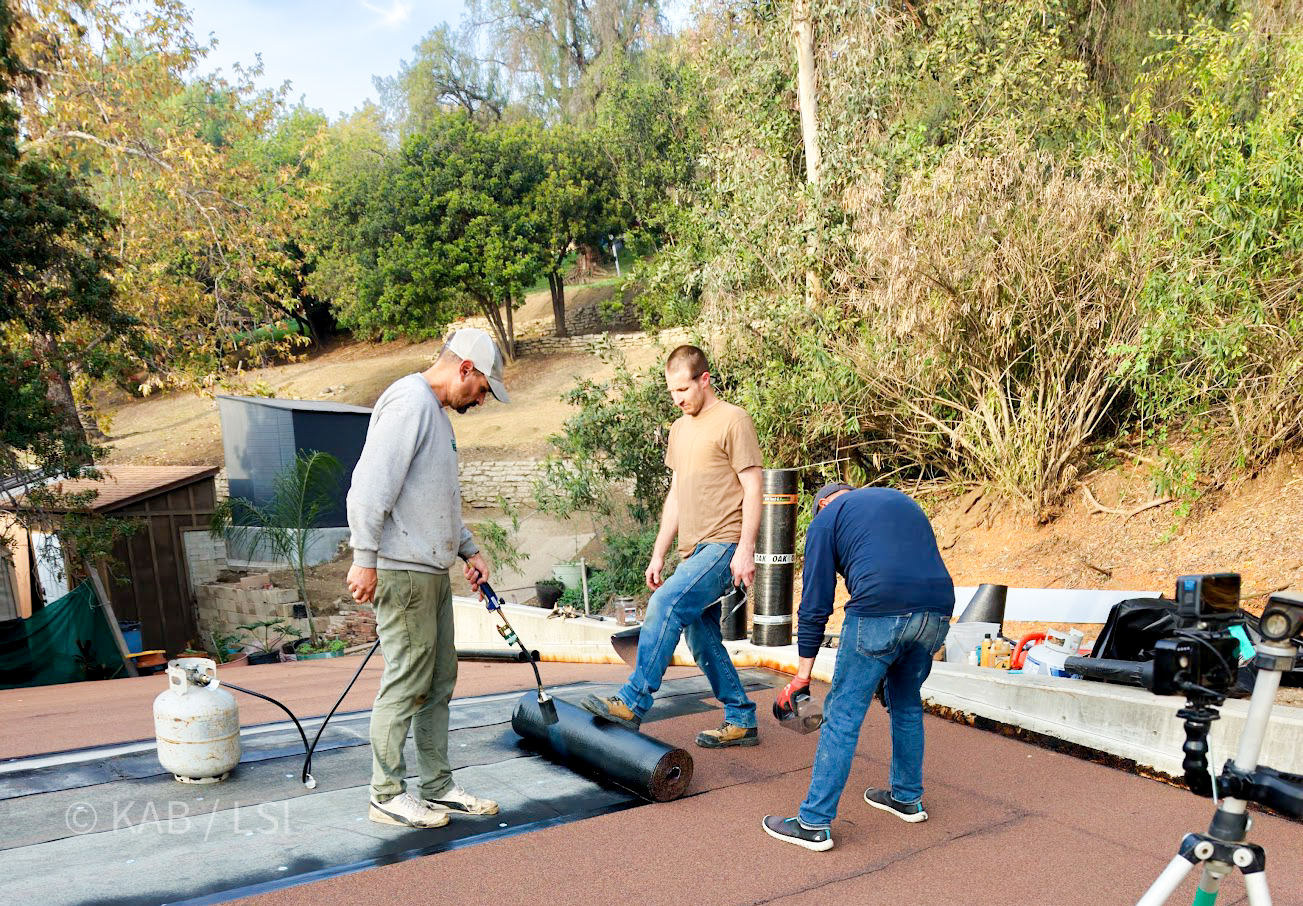
A retired contractor
with a couple of good cameras.
When a neighbor in La Habra Heights hires a contractor for a substantial job — a kitchen remodel, a driveway, a roof, a landscape redo, a bathroom tear-out — somebody has to pay attention to how the work gets done. That’s what hillside home contractor oversight is: another set of eyes on the job, quietly, on your behalf. Most of the time, that ends up being the homeowner. Standing in the driveway. Reading body language. Wondering whether the crew on Tuesday is the crew they met at the estimate.
If that’s not how you want to spend your Tuesdays, this is a thing I sometimes do.
A couple of GoPros go up. A streaming camera sits on your Wi-Fi pointed at the work zone. I check the footage over coffee, and once a week I send you a short, honest note: what got done, what’s drifting, what’s worth asking the contractor about. Nothing more dramatic than that.
This isn’t a monitored security service. It isn’t a general contractor’s supervisor. It isn’t a full-time set of eyes. And it isn’t for every job — a two-day driveway pour or a three-day reroof usually doesn’t warrant it. This is for jobs big enough, long enough, or important enough that a pair of quiet cameras and a weekly honest note pays for itself.
Four situations where it usually helps.
The Big Contract You Haven’t Signed Yet
You’ve got three bids for a kitchen or a bathroom or a remodel. They’re within $20K of each other. The pressure to choose is now. Before you sign, you’d like to know who’s going to be watching the work once the check clears.
The Job You Can’t Be There For
Tear-out is happening while you’re at work, or while you’re traveling. You’re paying for eight hours of work a day that you cannot see. You’re trusting people you barely know to be alone inside your home for two weeks.
The Pre-Sale Punch List
You’re listing in six months. Three specific things need doing first — and you’re not going to live with the results. A buyer’s inspector will. The work needs to be tighter than it would be if you were staying another decade.
Long enough at the same address.
You’ve hired contractors before. Mostly it went fine. You’re older now. Standing in the driveway for four hours to watch the roofers isn’t how you want to spend your Tuesday. You want somebody else to have eyes on the property so you can have your Tuesday back.
“I don’t mind paying the contractor. I mind not knowing whether he earned it.”
Quietly, and without getting in the way.
I show up before the job starts and set up the cameras — a small handful, not a surveillance installation. The contractor is told, plainly, on day one: the homeowner asked me to keep an eye on the work; there are cameras; I’ll send them a report each week. Most good contractors appreciate the clarity. The ones who don’t are the reason this exists.
During the job, I look at the footage in the morning over coffee. If I see something worth asking about, I ask. If everything’s fine, your week is quiet and your report is short.
Portable. Repositionable. Placed where the work actually happens — the kitchen, the bathroom, the roof line. Time-lapse mode for longer days.
A single Wi-Fi camera on your own network, aimed at the work zone, always on while the crew is there. Quiet backup in case a GoPro gets “accidentally” moved.
A short, honest email once a week. What got done, what’s on schedule, what’s drifting. Readable from your phone over coffee. No jargon.
About the role, and about the list.
“Estate Manager” is an honest shorthand.
When the contractor arrives, I’m introduced as the homeowner’s estate manager. It’s accurate enough — I manage the cameras, the weekly note, the communication with you. The reason we use that title is simple: contractors know what an estate manager is. It changes the conversation without anyone having to raise a voice.
What the role is not: I do not sign the contract. I am not a party to it. I do not direct the work, approve change orders, or release payment. Those all stay with you. I watch. I report. I ask the questions a busy owner doesn’t have time to ask.
A short, quiet referral list.
Contractors who perform well — on time, to spec, neat, respectful of the property and the neighbors — get added to the Private Spaces referral list. The list is short. It’s quiet. It’s not published. It gets passed, by invitation, to the kind of La Habra Heights homeowner who hires an estate manager.
The net effect is that good crews tend to do some of their best work on these jobs — because the job is, in a real way, an audition for the list. The homeowner benefits. The good contractor benefits. The neighborhood’s worth of tradespeople gets a little better each year.
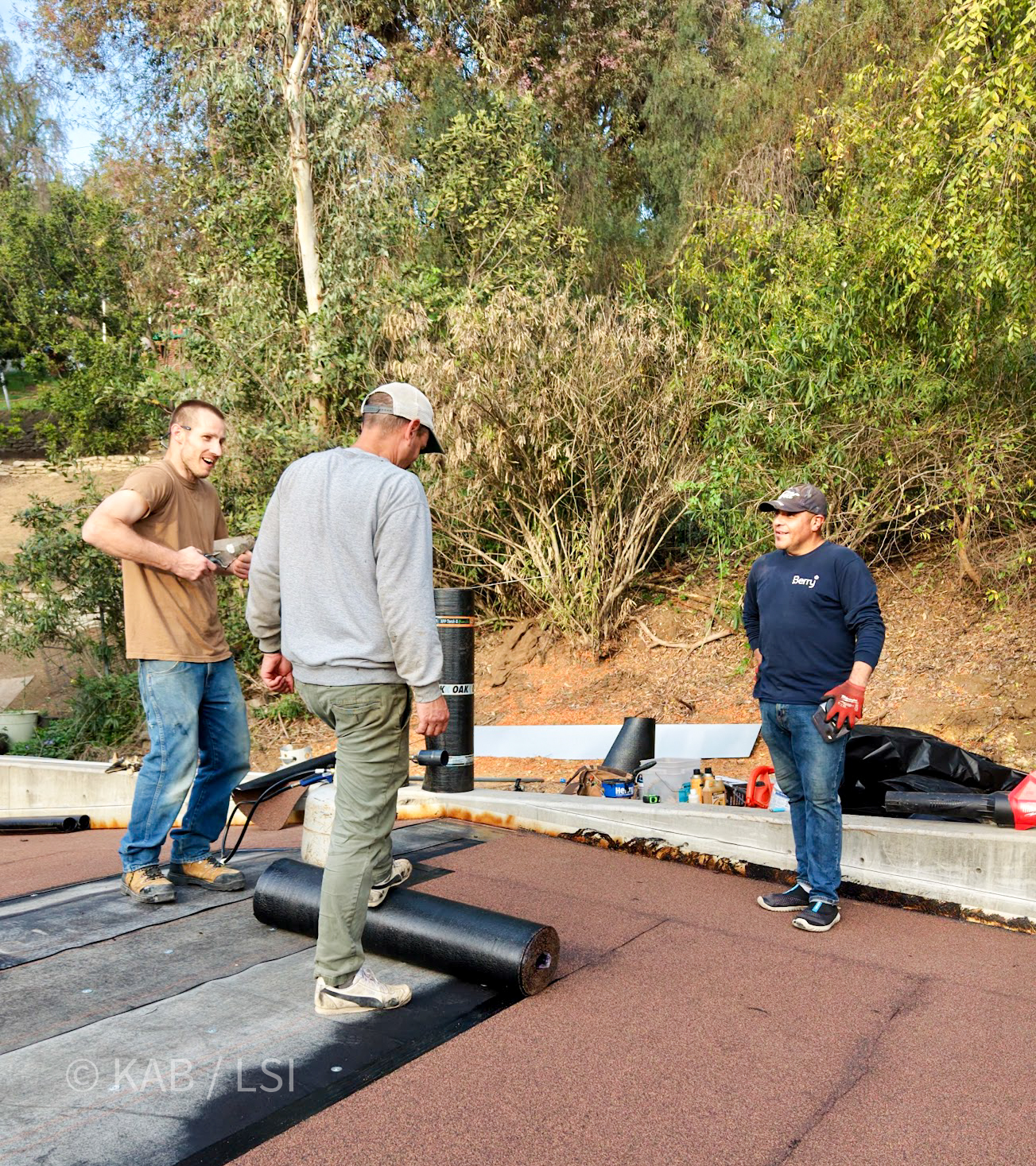
“Finished the last seam with two hours of daylight to spare. The rain came in that Friday.”
The same roof · five days laterA conversation, not a menu.
The fee depends on the job — how long it runs, how many cameras the property needs, and how hands-on the oversight should be. Some jobs need a couple of cameras and a weekly note. Some need a little more.
Much less than the project you’re watching. Much less than the cost of standing in the driveway yourself. And honestly, much less than the cost of not watching and finding out later.
A short first conversation — thirty minutes, no fee — tells us both whether the arrangement fits. If it doesn’t, you’ll know. That’s worth the coffee either way.
Bigger than watching a contractor?
If the property is in trust, if the owners are in another state, if a La Habra Heights hillside acre has been sitting idle — the sister conversation is a longer-term stewardship arrangement, not a weekly note. Same standard of care. Different scope.
See Property Partnership →Tell me about the contractor.
One paragraph. Who is it, what are they doing, when do they start. I’ll tell you honestly whether an estate-manager arrangement makes sense here, or whether you’re better off handling it yourself. Either answer is fine with me.
By referral and invitation. La Habra Heights and the surrounding hillside communities.
Send a one-paragraph note No obligation. No sales pitch. Keith responds personally.